


 United States — would you like to set this as your default country of delivery?


 Trade
Trade
 Shops & Events
 Customer Service
New Zealand Whisky: A Guide to the New Frontier
From modest beginnings making whiskies in the Scottish tradition, New Zealand has developed one of the most intriguing distilling scenes in the world. Producers across the country are creating fascinating single malts that combine age-old techniques with local foodways and ingredients.

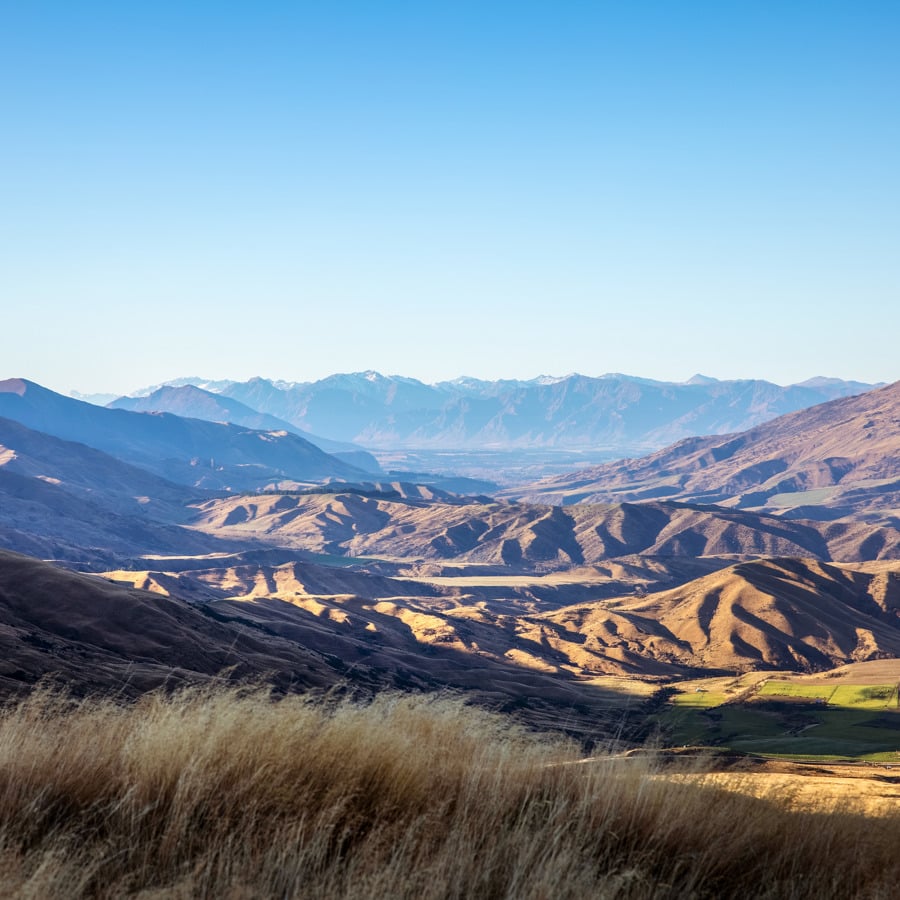
The beautiful Cardrona valley in New Zealand's South Island
Cardrona distillery
New Zealand whisky has its origins in the early 19th century, when Scottish and Irish settlers brought the knowledge of distilling to the islands of Aotearoa. Being far from the traditional heartlands of whisky making, the local industry offered a taste of home to those making new lives for themselves on the far side of the world.
The early history of New Zealand whisky was marked by small operations, some of which were content to ply their trade in defiance of the government. But by the 20th century a single producer had come to dominate the local scene. Willowbank distillery in Dunedin – which was also variously known as Wilson’s and Lammerlaw – made both malt and grain whiskies, as well as blends that were mostly consumed domestically. It was modest in size relative to its cousins in Scotland but continued to keep Kiwis in drams and whisky and sodas until the 1990s.
New Zealand’s new wave whiskies
At the end of the 20th century, Willowbank was owned by Canadian company Seagram, which was in the process of selling off its distilleries around the world. Australian brewery Fosters acquired the site but rather than continue production, it chose to sell the pot stills and leave the remaining casks of New Zealand’s only domestically produced whisky to an uncertain future.
As the years passed, a handful of local bottlers snapped up the surviving stocks and began selling them to raise money to reinvigorate the local industry. One such producer was Thomson, which officially launched in 2014 on the back of a series of well-regarded bottlings of Willowbank single malt and blended whiskies. Then there was Cardrona on the South Island, which came online in 2015, becoming the southernmost whisky distillery in the world.
In the years that followed, we have seen more than a dozen producers setting up shop, firing their pot stills and working to establish the identity of modern New Zealand whisky. In a scene fizzing with creativity, many are drawing inspiration from local culture, culinary traditions and ways of thinking to create distinctive whiskies with abundant character. Distilleries around the country are malting local barley, experimenting with cask types and combining tradition with modern techniques. While still small, New Zealand’s whisky scene is beginning to attract serious attention internationally.
Defining New Zealand whisky
Distilled Spirits Aotearoa – a local body roughly equivalent to the Scotch Whisky Association – has set out guidelines which will likely form the basis of the legal definition of New Zealand whisky in years to come.
New Zealand single malt, it says, should be made from 100% malted cereals – though interestingly grain other than barley is allowed if it’s clearly stated – using copper pot stills, at one distillery and aged in oak for a minimum of two years. There are further definitions, as well as provisions for blends and grain whiskies, that will be familiar to anyone who drinks Scottish, Irish or Japanese whisky.
This means that if you pick up a bottle of Kiwi whisky, you can be assured you’re getting something that follows the same basic principles as your favourite dram from Speyside or the Highlands. However, it’s the incorporation of local flavours that really sets New Zealand whisky apart.
New Zealand’s key whisky producers
As New Zealand’s distillers continue to innovate, their whiskies are diverging from existing styles and taking on a new sense of identity. These are just a few of our favourite producers making distinctively Kiwi whisky.
Willowbank and New Zealand Whisky Company
Previously known as Wilson Distillers, Willowbank produced whisky for its brands: Wilson’s, 45 South and Milford. After its closure, hundreds of casks – filled with single malt, grain and blended whisky – were either auctioned off or left to slumber in a disused aircraft hangar.
In 2010, the final casks of Willowbank were rescued from obscurity and bottled under the name, the New Zealand Whisky Collection. This range of expressions preserves the legacy of Willowbank and celebrates its final years of production. The New Zealand Whisky Company has since become a custodian of the country’s distilling past, offering glimpses of a lost era of whisky making at the edge of the world.
In 2020, the story came full circle when this erstwhile independent bottler announced it would open a new distillery in Dunedin, signalling a renewed commitment to whisky making in New Zealand.
Thomson Whisky
In a scene that is still finding its identity, this small producer has made a name for itself with whiskies that carry a palpable sense of place. founders Rachael and Mathew Thomson made their start in whisky in the early 2000s, bottling selected casks from Willowbank and reminding New Zealanders of their proud whisky heritage.
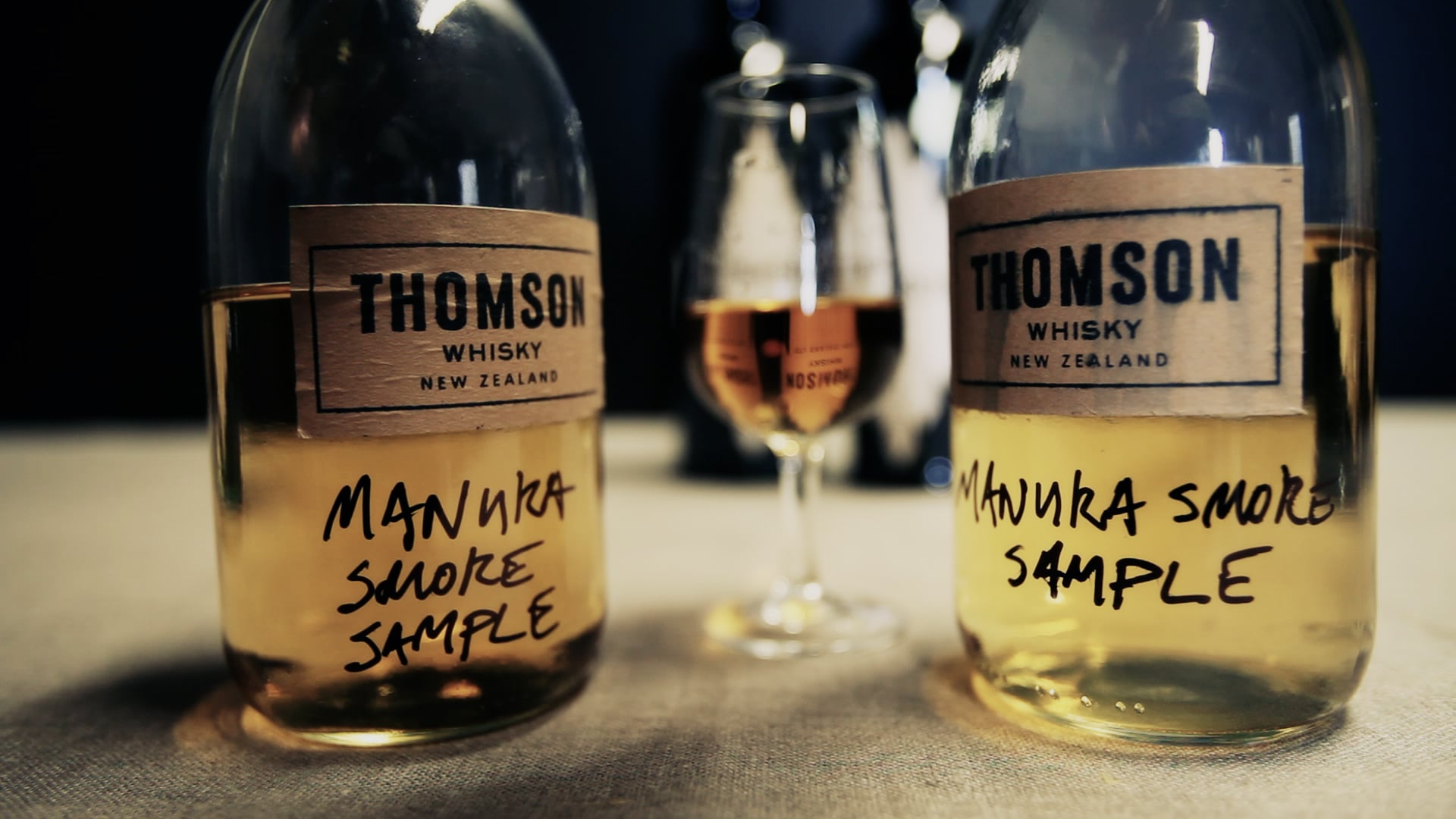
Tinkering away in their spare room, the Thomsons explored the science and artistry of single malt whisky. They even went so far as to smoke grain over South Island peat and burning manuka wood in their backyard barbecue. When they eventually launched their eponymous distillery in 2014, these early experiments helped to shape their whiskies which include peated variants – with native peat – and a world-first manuka smoked single malt.
The manuka tree, which is indigenous to New Zealand, has long been used for medicinal and culinary purposes. When used to smoke and preserve food, it contributes a unique flavour that offers a taste of home for many Kiwis. The Thomson Manuka Wood Smoke single malt is sweet and lightly spicy with a distinctive medicinal edge.
Over the years, the Thomson's have steadily built a reputation for whiskies that reflect their surroundings. They remain focused on small-scale production and local ingredients with a particular interest in native grains and a commitment to exploring the character of New Zealand whisky. In 2024, Thomson Whisky won The Whisky Exchange Rising Star award.
Cardrona
In the early 2010s, Desiree Reid dreamed of establishing a distillery on New Zealand’s South Island. Determined to create a single malt that could stand confidently on the world stage, she spent more than two years leaning from industry experts in the United States and Scotland, including the late great Dave Pickerell of Maker’s Mark in Kentucky. In 2015, she realised her ambitions, opening a distillery at the foot of the spectacular Mount Cardrona.
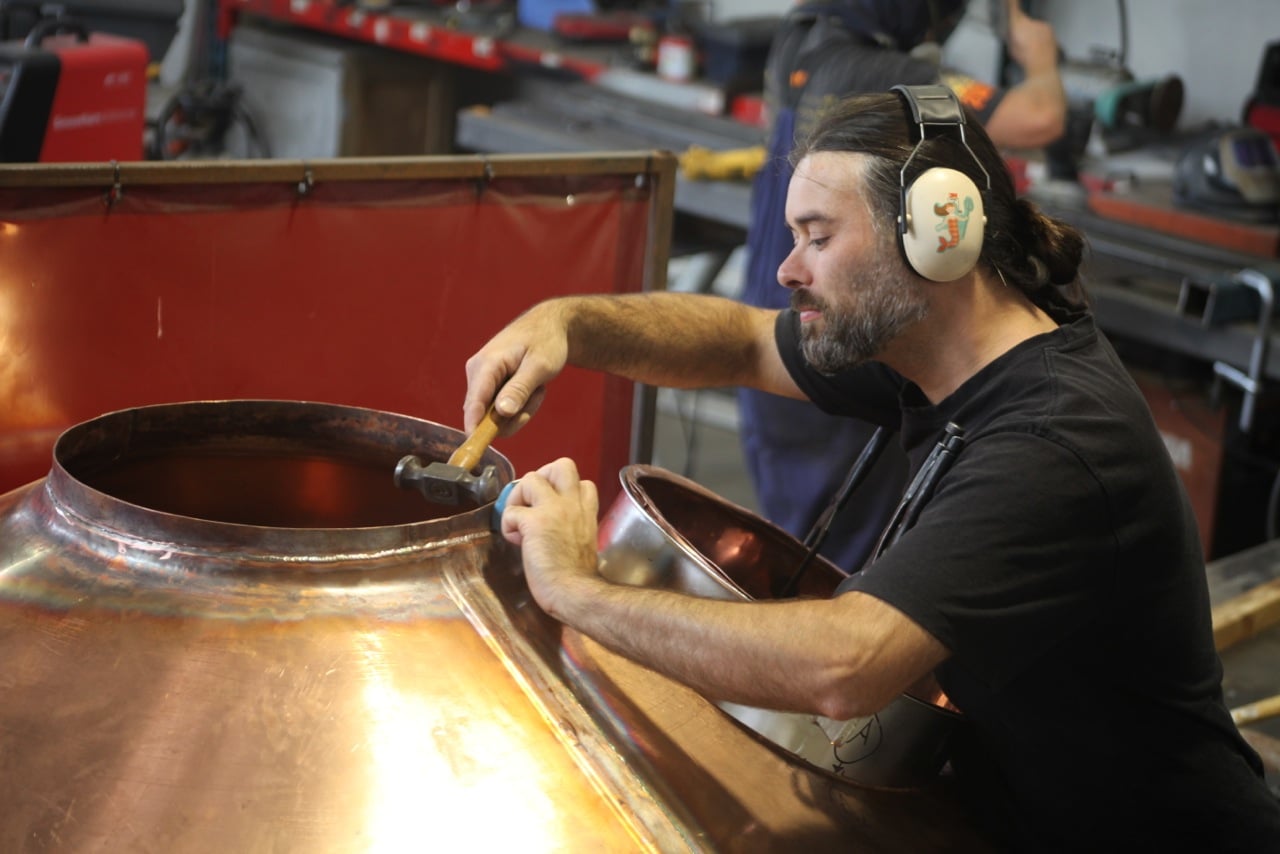
Rather than rushing to release whisky at two or three-years-old, Cardrona has taken a longer-term view, holding back its first single malt for a full decade before release. The distillery’s pair of pot stills (made at Forsyths in Rothes, Scotland) produce a fruity spirit with weight and umami. Cardona’s warehouses are primarily filled with bourbon barrels and sherry casks, with a smaller proportion of local wine casks. As well as grain-to-glass single malts, the distillery also produces gin, vodka and liqueurs.
Scapegrace
Scapegrace was founded in the Southern Alps by two brothers-in-law. They built a strong name creating contemporary gins before turning their hand to whisky made from New Zealand-grown barley.
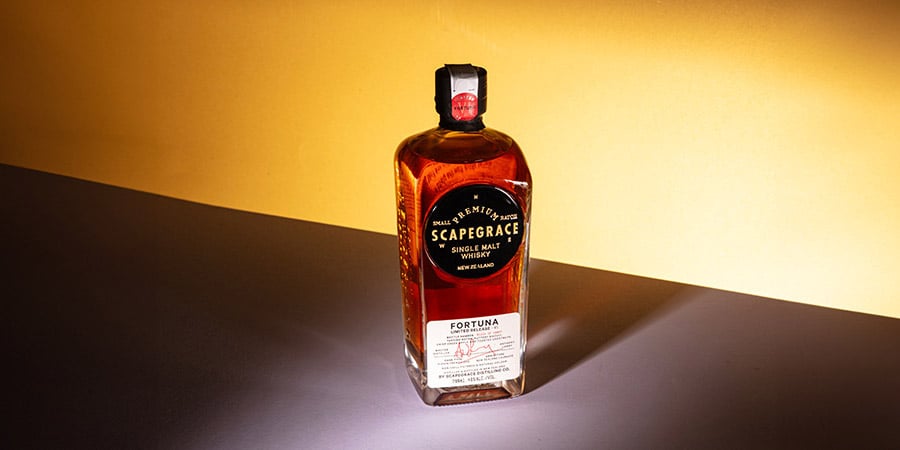
The distillery released its first single malt in 2022. Early iterations included whiskies aged in new French oak and local pinot noir casks from New Zealand’s thriving wine industry. They’ve also released the fabulously named Thunderdonk — a spicy, caramel and maple flavoured spirit.
As whisky became a larger part of the business, Scapegrace outgrew its original site. A new distillery is now under construction in Central Otago, set to become the largest in New Zealand, with the capacity to support longer-term maturation and export.
Pōkeno
In the heart of Waikato, protected by volcanic hills, Pōkeno is another maker producing single malt whisky shaped by its local landscape. The distillery works exclusively with New Zealand-grown barley and uses long fermentation and small pot stills to create a bright, citrus-led spirit. The set-up at Pōkeno is modern and impressive – including an in-house cooperage and access to a broad range of high-quality wine casks.
This upstart distillery also has the distinction of releasing whiskies aged in indigenous totara wood casks. The sub-tropical climate of Waikato, ensures that Pōkeno single malts mature quickly, meaning that even a short finish in specially commissioned toasted totara barrels yields a distinctive set of flavours including sweet sap and young coconut. A fascinating profile that you won’t find anywhere else.
The road ahead for New Zealand Whisky
While the Kiwi whisky makers of today might not be competing directly with the biggest names in Scotland, they are coming to market with something whisky lovers crave – uniqueness. There’s something exciting happening in stillhouses and warehouses across New Zealand and this is the perfect time to get involved.


