


 United States — would you like to set this as your default country of delivery?


 Trade
Trade
 Shops & Events
 Customer Service
A Guide to Scotland’s Lost and Silent Whisky Distilleries
From Brora to Rosebank, Port Ellen to Karuizawa, we dive into the world's lost distilleries and the never-to-be repeated whiskies that survive them

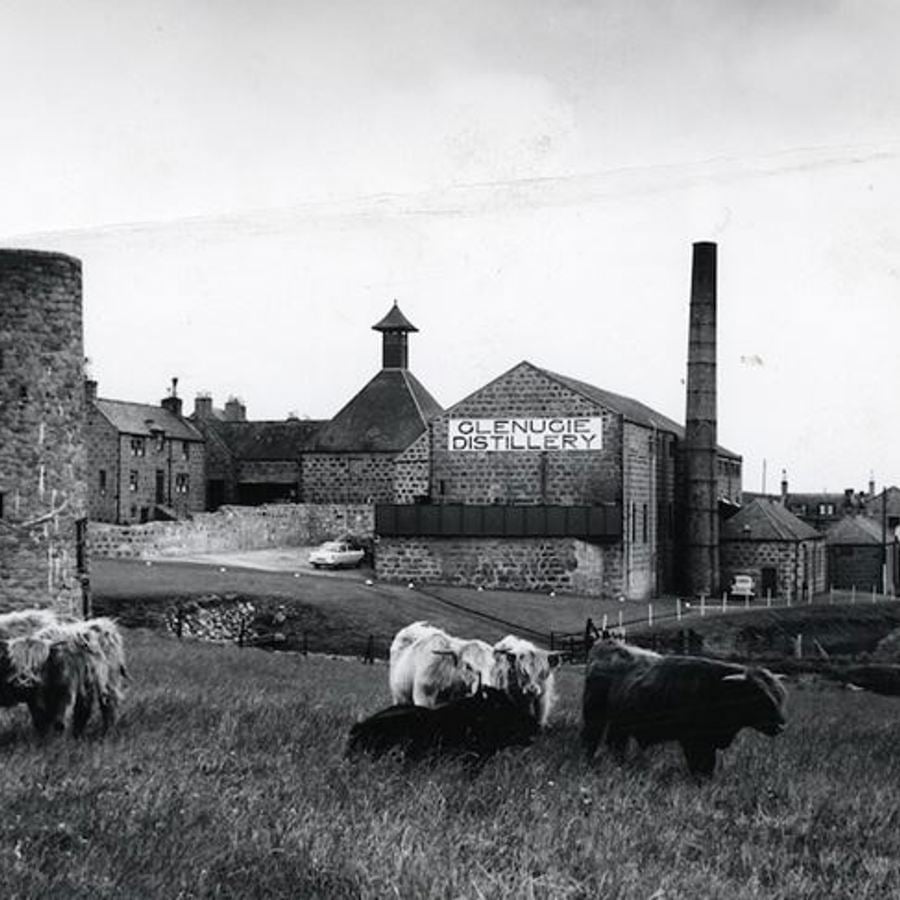
Glenugie distillery ceased operations in 1983 and its whiskies have since become highly collectable
Whiskies from closed distilleries have a particular prestige. When a distillery has been torn down and its warehouses emptied, the knowledge that no more of its spirit will ever be created makes the remaining stocks particularly appealing to collectors. This is especially true if they are of a distinctive style that’s difficult to approximate.
This was the case for Karuizawa in Japan, which was little known until after it closed in 2021, but has since become legendary for its powerful sherried single malts. Likewise, Port Ellen on the island of Islay closed in 1983, amid falling demand for blended scotch whiskies, but later became synonymous with exceptional peated single malt before its recent reopening.
With whiskies from ghost distilleries commanding serious sums from collectors, we might be tempted to ask why they would close in the first place. But as always with whisky, the story is one of boom and bust.
Why do distilleries close?
The whisky world is littered with the remains of distilleries lost to history. There are many reasons a distillery might close, even if it’s known to produce high-quality spirit, but the main one is that the whisky industry has historically been particularly sensitive to fluctuations in demand.
If you build a distillery when Scotch and soda is the drink of choice around the world you might invest heavily in production and equipment to meet demand. After several years filling casks and stocking your warehouses, the blenders you were relying on to buy your wares could tell you that whisky is out of fashion and the punters in New York and London are now drinking vodka. Not wishing to throw good money after bad, you’re forced to cease production. If things don’t improve, the difficult decision may be made to sell your distillery for another use or demolish it entirely.
The ups and downs of whisky
This was the fate of many producers in Scotland during the industry crash of the 1890s, when the unscrupulous business practices of whisky magnates including the notorious Pattison brothers led to an overvaluation of stocks and facilities across the country. When the bubble finally burst, two decades of rapid expansion was followed abruptly by a string of distillery closures.
Prohibition in the United States wiped-out bourbon and rye distilleries from coast to coast and had a ruinous effect for Irish and Scottish producers reliant on sales across the Atlantic.
The 1980s saw another wave of losses in Scotland as the fashion for unaged spirits saw demand for blended whisky plummet across the world. It was during this period that many distilleries whose single malts are now legendary were closed or demolished, including St Magdalene, Brora, Dallas Dhu and Millburn.
Japan experienced its own string of distillery closures in the 1990s and 2000s, when bar-goers began to favour shochu or imported Scotch over the domestically produced whiskies their parents drank.
In times when safety precautions were not what they are today, it was also common for distilleries to burn down. Banff in Aberdeenshire – often described as Scotland’s unluckiest distillery – caught fire not long after opening, was bombed by the Luftwaffe during World War II, then was rebuilt in time to suffer an explosion in the stillhouse in 1959 before finally burning down for good in 1991.
There are many old distilleries of which records exist but surviving examples of their whisky do not. Those where stocks remain in cask or bottle, however, are primed to develop cult followings. The rarity – and therefore market value – of a whisky that cannot be replicated is understandably compelling to collectors, as is the prospect that they might build complete collections from a single lost distillery or even discover bottlings that were thought to no longer exist.
But the lost distilleries that really inspire a fanatical following are those that produced an unusual style of whisky that’s difficult to replicate. The whisky a single distillery produces are the sum of innumerable factors particular to that one site – from the shape of the stills to the conditions in the warehouse. Tiny variations in the equipment and the decisions made during production all contribute to the character of the spirit. Some modern distilleries are set up to produce multiple styles of spirit (or ‘makes’) but its still common to describe the particular flavours, aromas and textures of a single malt as ‘distillery character’.
When a distillery is wiped off the map, that distinctive character can easily be lost forever. This is why enthusiasts will pay handsomely to experience the old-fashioned funky, fruity and industrial profile of St Magalene or the tropical fruit and aromatic spices of Japan’s Hanyu.
When we add in variations in the raw materials available to the whisky industry – including grain, casks and yeast strains – and the changes in attitudes to production, many old-school whiskies do start to feel like windows to another time.
This is why so many collectors spend their days trawling whisky shops and auction sites looking for surviving bottlings from their favourite lost distilleries.
Which lost distilleries have reopened?
When global interest in whisky, particularly single malt, began to increase in the 21st century, many distilleries that had been underappreciated in their lifetime were now legends. These include Port Ellen, Brora and Rosebank in Scotland.
The former two had found universal acclaim when old stocks of their single malt, which had been left to mature gently in refill casks, were committed to glass for the Diageo Special Releases series. These landmark bottlings inspired a generation of whisky lovers to begin collecting and put two distilleries that had been lost for decades into the public consciousness.
It’s perhaps unsurprising that their owners announced that these three big names – which had come to define the market for lost distilleries – would be rebuilt to capitalise on this new-found glory.
The peerless Brora in Sutherland was recreated brick by brick and filled its first casks in 2021 after more than 38 years of inactivity. Rosebank in the Lowlands reopened in 2024, following an extensive project to recreate its unusual triple-distillation setup as the original stills had been stolen from the disused site in 2008. Port Ellen on Islay relaunched in a new guise, with a striking redesigned stillhouse, that same year.
Each of these resurrected sites returned with the promise that their owners would painstakingly recreate the original distilleries' character. But one of the things that made these single malts so fascinating was their extended ageing, and the development of the spirit character that represented. It will be many decades before anything comparable exists, so the old bottlings remain the envy of collectors everywhere.
Lost distilleries you should know
Scotland
Many of the great lost distilleries of Scotland were workhorses in their day, quietly supplying casks for blending. In addition to the big name closed distilleries listed above, collectors might try to track down all known bottlings of Littlemill or St Magdalene – whose surviving whiskies point to a lost era of Lowland whisky.
There are also smaller plants that point to a period in Scottish distilling when the range of styles and flavours available was quite different. These include Lochside, an idiosyncratic distillery that once stood in Montrose, which was famous for producing – among other things – highly unusual single blended whiskies made from malt and grain distilled on site and aged together.
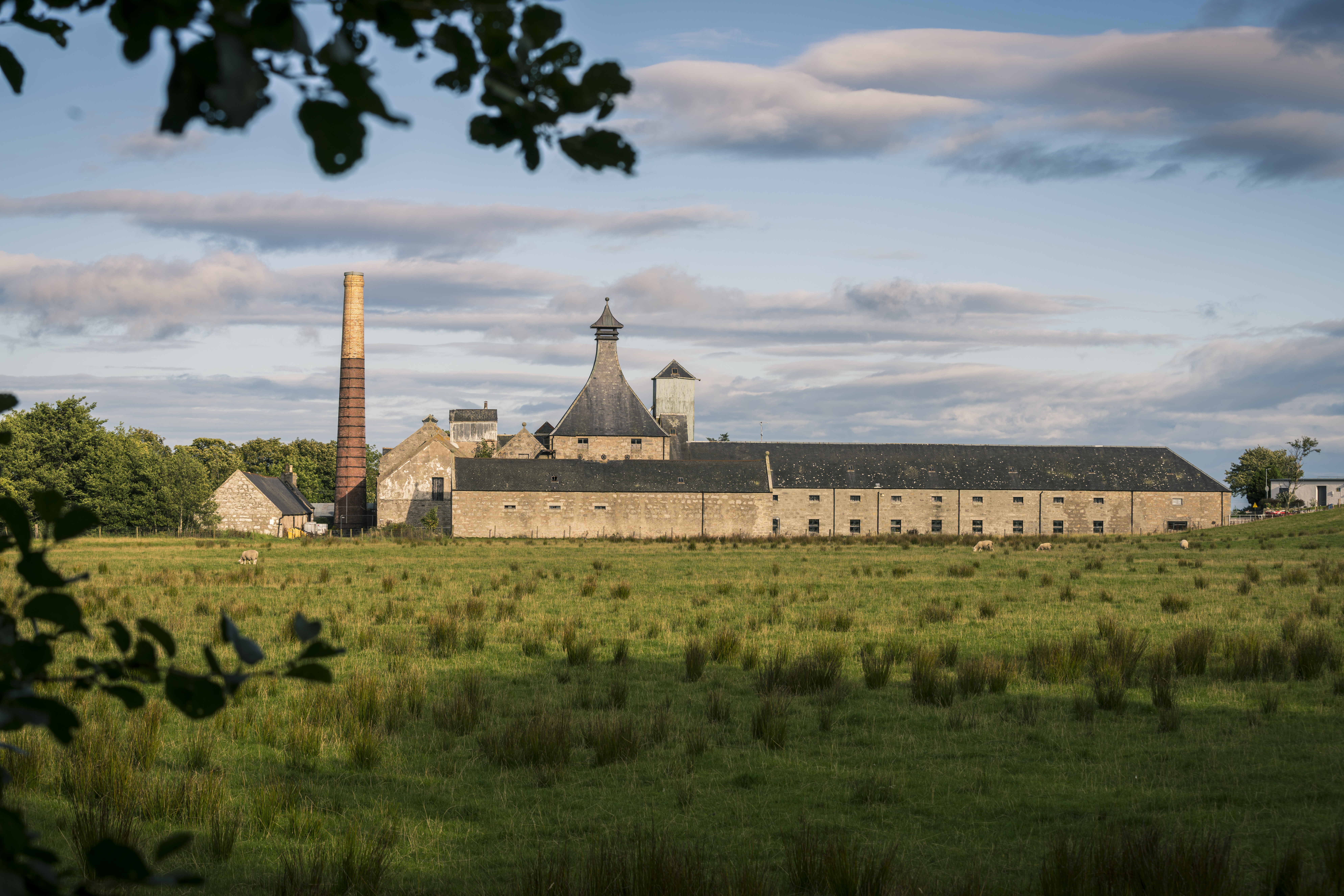
Glenugie – which made malt whisky in Peterhead for over a century before closing in 1983 – and the ill-fated Banff are not as well known outside of whisky collecting circles but are prized for their unique distillery characters. Then there are the distilleries where only a handful of bottles are known to exist, the very rarest of the rare including Stromness on Orkney, whose Old Orkney bottlings are the holy grail for many enthusiasts, and the near-mythical Malt Mill of Islay.
These old whiskies offer a tantalising glimpse of Scotland’s lost distilling culture and a chance to experience flavours that are hard to find in modern bottlings. If you’re planning to start a collection of rare Scotch, these distilleries should be high on your shopping list.
Japan
While many enthusiasts around the world became aware of Japanese whisky in the 2000s, Japan has boasted a robust domestic industry since the early 20th century. Traditionally, distilleries there followed the Scottish model of producing malt and grain whiskies to create blends that served the local market. This meant that when domestic demand for Japanese whisky ebbed, the industry experienced broad closures just as Scotland did.
Bottlings of intensely sherried Karuizawa single malt only began to appear after its remaining stocks had been snapped up by enterprising bottlers in Europe and have since become the last word in rare Japanese whisky. Then there’s Hanyu, which closed in 2004 and has since become a legend thanks to the grandson of the distillery’s founder – a certain Ichiro Akuto of Chichibu – bottling the remaining stocks for the monumental Cards series.
They may not be the most affordable entry into collecting lost distilleries, but these old Japanese malts have quality and character that’s hard to beat.
Ireland
For much of the 19th century, Irish whiskey was by far the world’s favourite dram. The island of Ireland was home to hundreds of distilleries supplying bars and clubs the world over. The one-two punch of the trade war that followed the establishment of the Irish Republic in 1922 and the advent of Prohibition in the USA cut Irish distillers off from key markets in North America and Britain and brought this once world-beating industry to its knees.
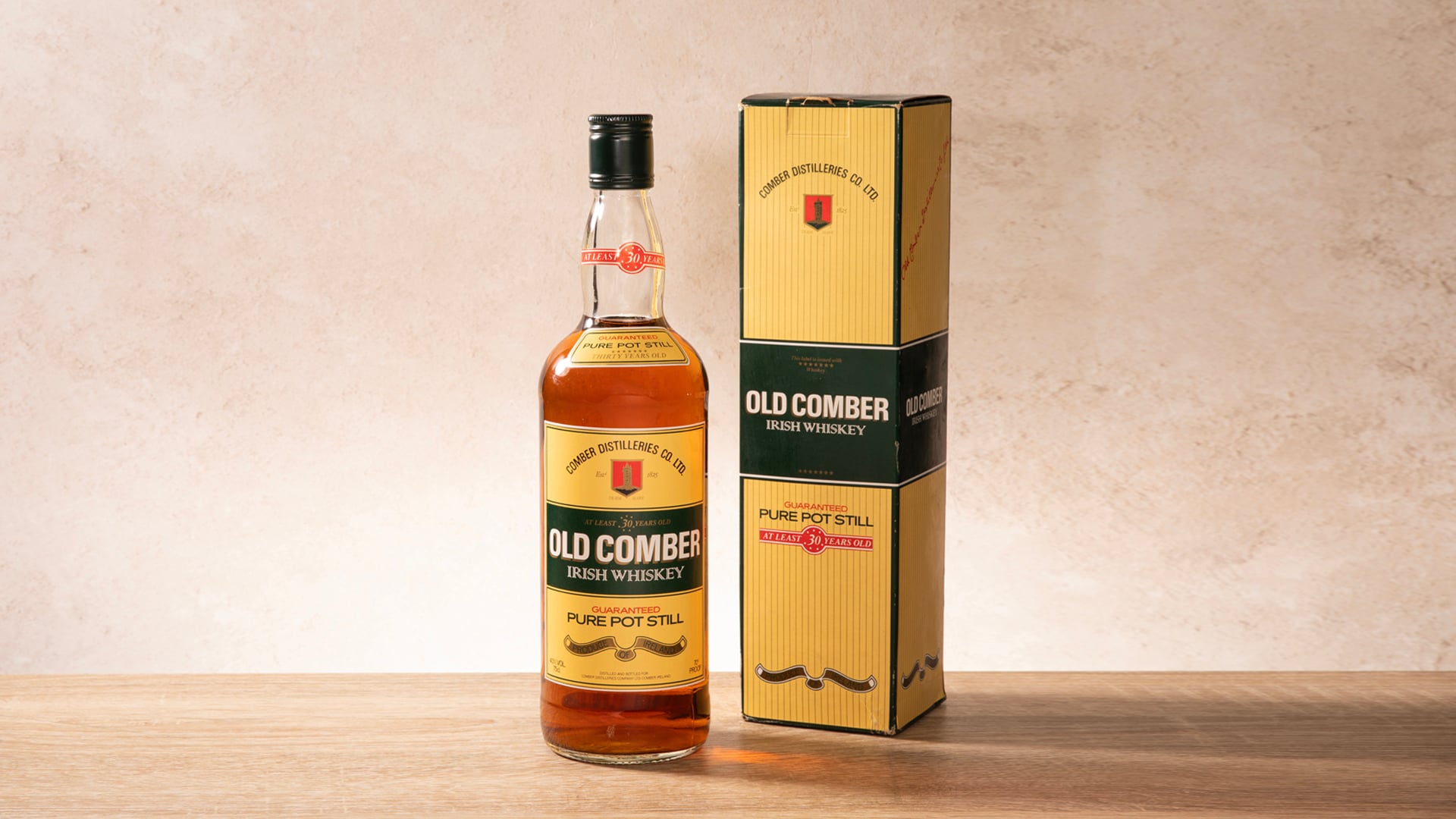
Much of what was lost then is consigned to history, but some surviving bottlings from Ireland’s ghost distilleries offer traces of a distilling tradition that once ruled the world. Though exceptionally rare, we occasionally see bottlings of pot still whiskey from Comber, which stood near Belfast until 1953, that show a delicately spicy character that’s unusual and intriguing.
When the Irish whiskey industry contracted, many great distilleries including Jameson’s Bow Street and Powers consolidated and were reinvented as blends produced at Midelton in County Cork. Older bottlings from these original production sites are likewise fascinating and sought-after.
The United States
Prohibition of the sale of alcohol in the USA eventually became law in 1920 after years of campaigning by such unsavoury groups as the Anti-Saloon League and the KKK. The distilling industry was still reeling from restrictions enforced during World War I and so many sites faced closure overnight. A handful of producers secured licenses to sell ‘medicinal alcohol’ but many others had no choice but to unload their stock or pause production indefinitely while they waited for repeal. The impact on what was a diverse and vibrant industry – not to mention tertiary trades like coopers and retailers – cannot be overestimated.
Though modern bottlings of W L Weller, George T Stagg and Pappy Van Winkle dominate discussions about rare bourbon today, there are surviving bottles from the original Stitzel Weller distillery – owned by Julian Van Winkle himself – as well as rare bottlings of ‘for medicinal purposes’ created during Prohibition. These are more relics of a bygone era when production methods in the United States were quite different to today.
No matter which lost distillery you choose to start collecting, you can rest assured that the bottles are only getting rarer. That said, you shouldn’t be afraid to crack one of these rare bottlings open if you can. Tasting something that was made by people long lost, in a distillery since demolished, is an experience every whisky lover should have at least once.
Shop whisky from lost distilleries here
-

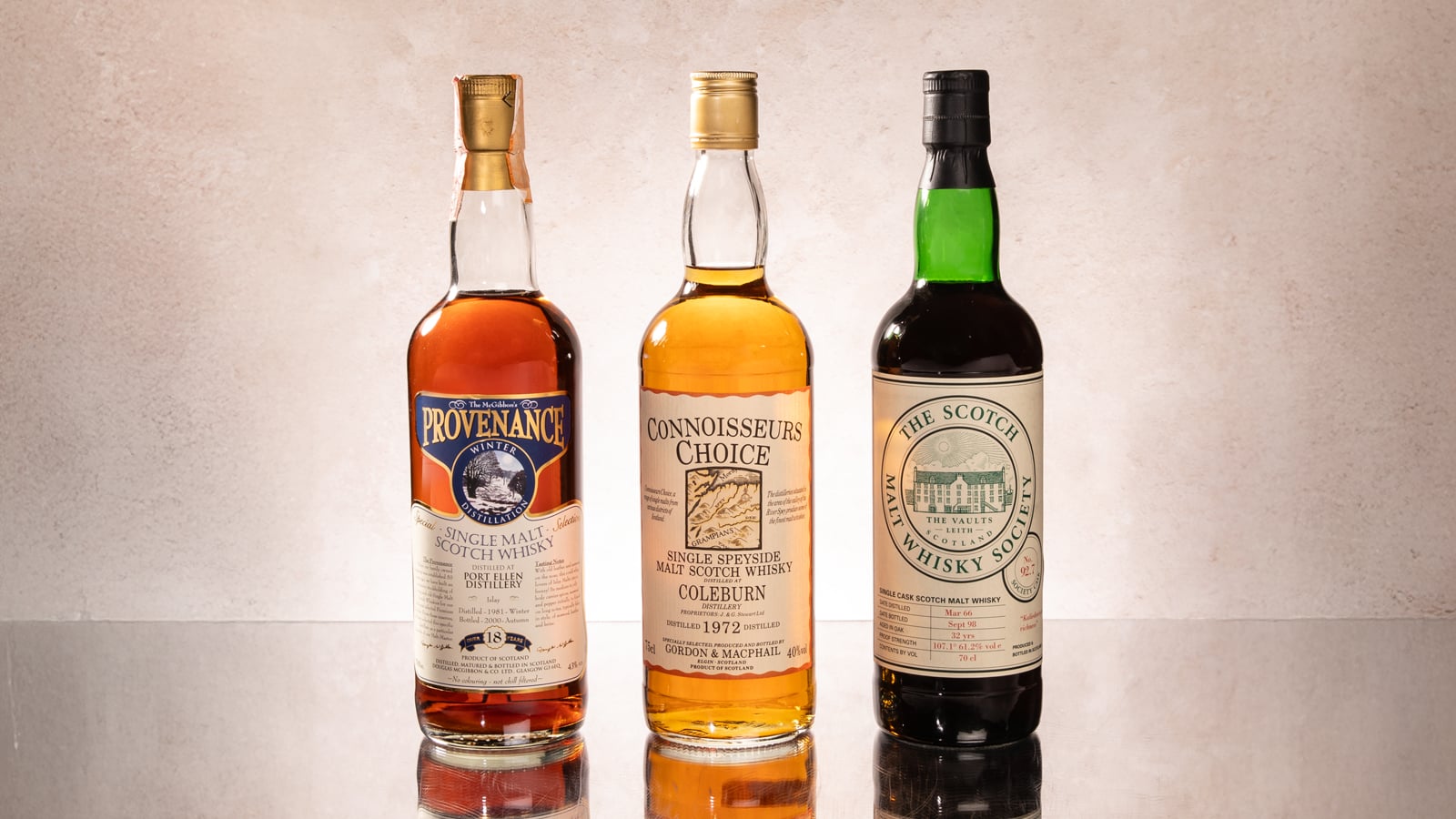
Port Ellen 198118 Year Old Sherry Cask Provenance
£1,500
-

SMWS 92.7 (Lochside)1966 32 Year Old Sherry Cask
Out Of Stock
-

Old Comber 30 Year OldBot.1980s
£1,000
-

Brora 30 Year Old4th Release (2005)
£3,800
-

Banff 198221 Year Old Rare Malts
£1,000
-

Karuizawa 1983The White Samurai Sherry Cask Bot.2014
£12,500

