


 United States — would you like to set this as your default country of delivery?


 Trade
Trade
 Shops & Events
 Customer Service
The Ultimate Guide to Speyside Single Malt Whisky
Your guide to the rich history and abundant distilleries of this iconic Scotch whisky region, formed around the River Spey

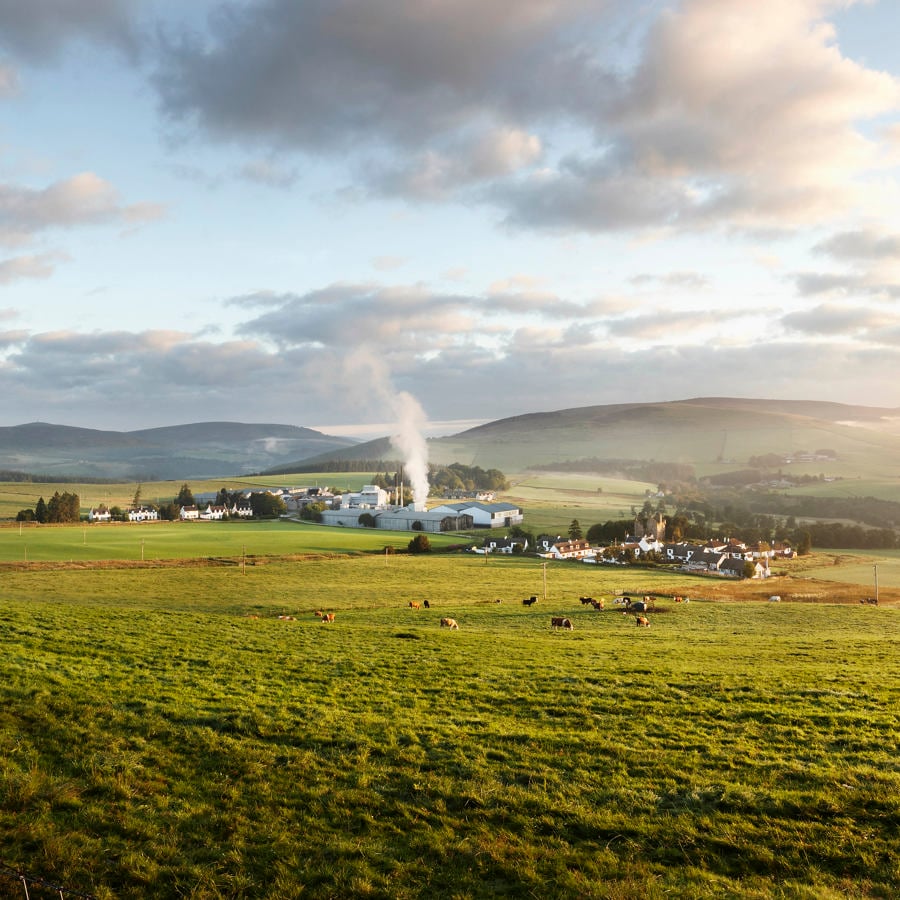
The exterior of The Glenlivet distillery
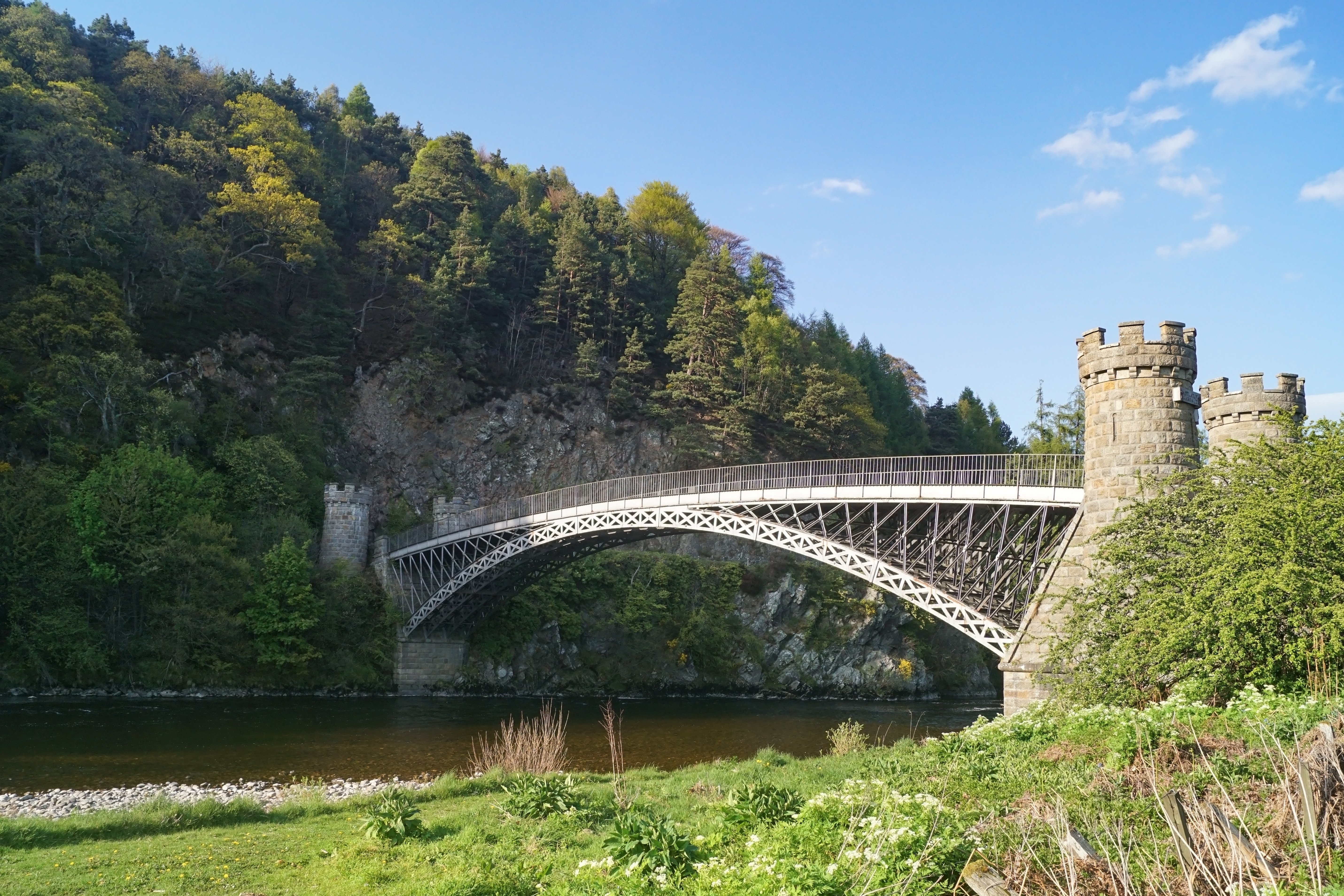
The River Spey cuts a path from the central Highlands to the shores of the Moray Firth, moving through more than 150km of stunning Scottish countryside as it goes. On its journey to the sea, this fast-flowing river passes some of the great centres of whisky production, including the towns of Craigellachie, Dufftown and Rothes. Its banks and surrounding boast the highest concentration of distilleries in the country – more than 50 in total – including such titans as Glenfiddich, Glenfarclas and The Macallan.
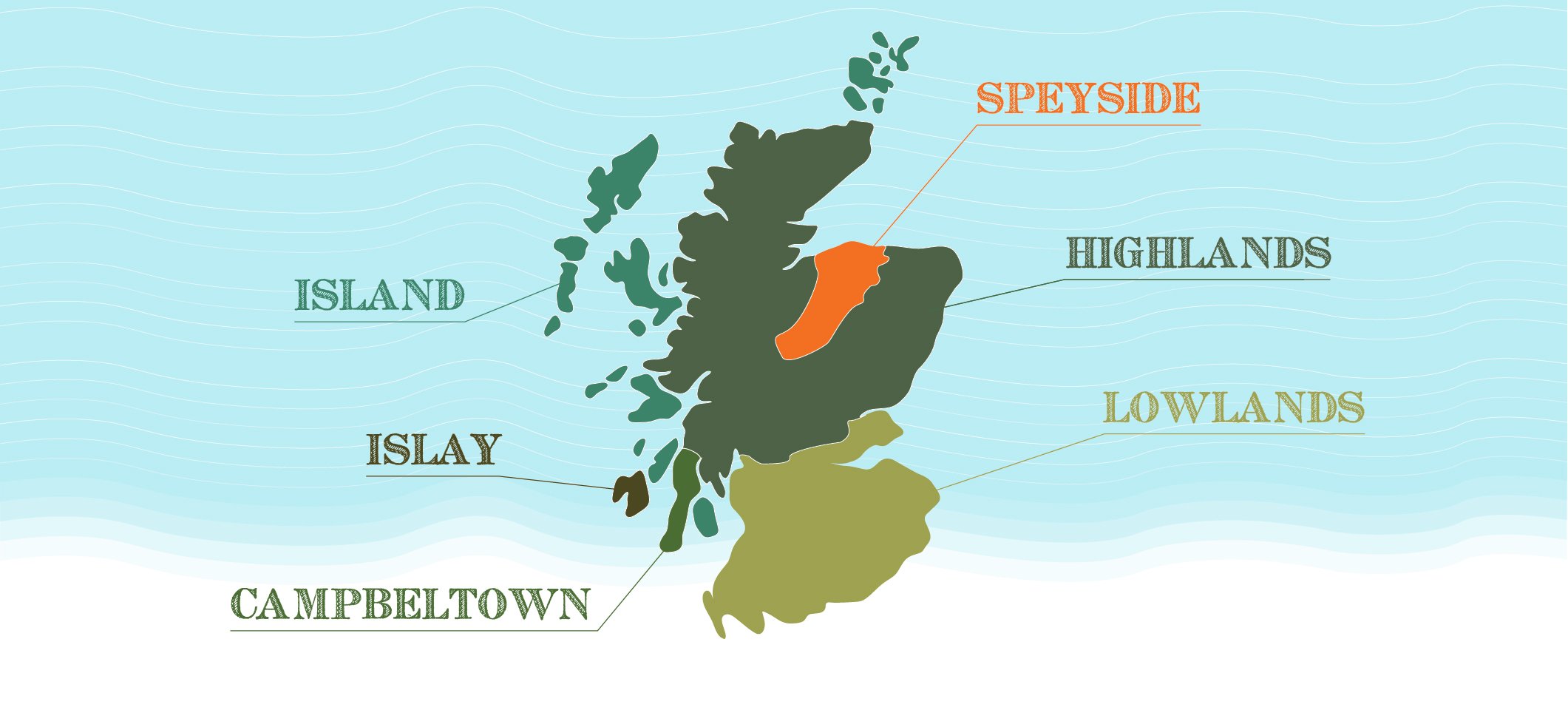
It's often said that Speyside single malts are big and fruity, often with a luxurious character achieved through maturation in sherry casks. This style is certainly championed by some of the big players in the region, but as with many generalisations about Scotch whisky, this characterisation obscures a lot of detail. Explore the region’s many distilleries and you’ll find a great diversity of technique and flavour, unified by a broad commitment to quality whisky making.
The history of Speyside whisky
This abundance of producers in one small corner of the Highlands didn’t happen by accident. In the very earliest days of distilling on the Scottish mainland, this temperate valley had everything the pioneers of whisky needed to thrive. The relatively mild climate of the east coast was perfect for growing barley, while the region’s innumerable streams and burns provided an inexhaustible supply of soft, clean water for distilling. Prior to 2006, Speyside was legally recognised as a part of the Highlands. But the whisky produced in Strathspey had always had a distinguished reputation.
In the early 19th century, this slice of Banffshire was peppered with small distilleries that didn’t advertise their names or appear on maps. Raids by tax officers were frequent, as the government sought to keep a lid on Highland distilling. But their efforts didn’t stop the pioneers of Scotch whisky from plying their trade and building their reputation. The proto-single malts they made became popularly known by an old name for the region – ‘Glenlivet’ – and were considered broadly superior to their Lowland equivalents.
Long before the Excise Act of 1823 effectively legalised distilling above the Highland Line, spirit from the region we now call Speyside was in high demand. On the occasion of his landmark diplomatic mission to Scotland in 1822, King George IV was said to have enjoyed more than his fair share. This was possible due to the efforts of ‘glenliveters’ – smugglers and moonshiners by any other name – filling Britain with quality spirit. But after that fateful act of parliament allowed investment in and expansion of Highland distilling, it was time for the old Glenlivet to come out of the shadows and into the light.
After a booming 20th century, the region suffered, as all of Scotland did, in the economic downturn of the 1980s. But a number of its larger producers had the nerve and the means to hold fast and keep making malt whisky. Some great distilleries were lost during this time, including the now highly collectable Imperial and Dallas Dhu. Thankfully, when interest in malt whisky rose at the turn of the 21st century, Speyside’s unwavering commitment to laying down casks meant that it was able to emerge as a leading region synonymous with quality single malt.
Notable Speyside distilleries
The below are just a taste of the region’s numerous distilleries. The varied styles of whisky they produce suggest that Speyside isn’t unified by one particular set of flavours, but rather a shared culture and commitment to quality.
The Glenlivet
Est. 1823
George Smith was among the first people to secure a distilling license after the monumental excise act of 1823. As an established farmer in Strathspey, we can surmise that he knew how to work a pot still as well as till a field, so this was likely not his first foray in the whisky business. Legend has it that there was tension between the old moonshiners and the region’s newly legitimate distillers, causing Smith to carry a pair of pistols in case of reprisals.
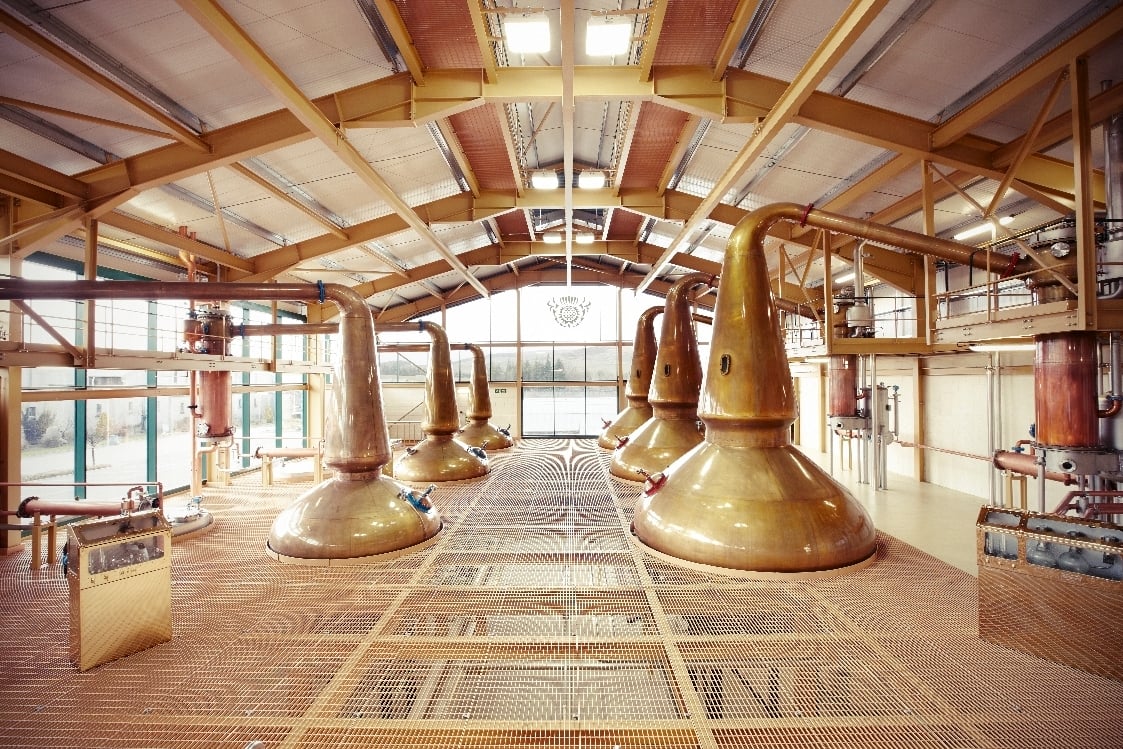
The work of George’s descendant Bill Smith Grant led The Glenlivet to gain recognition as a ‘pure malt’ after the Second World War. When Scotch whisky was ascendant in the early 20th century, this storied Speysider had the reputation and the stocks of aged single malt to become a household name the world over.
While its whiskies need no introduction, the classic Glenlivet 12 and 15 Year Old remain great examples of Speyside malt that are well worth revisiting. The distillery character is light and inviting with white fruit, tea leaves, vanilla and honeyed cereals. Older expressions tend to display more concentration and power with richer fruits and warming ginger notes.
Benriach
Est. 1897
This versatile distillery produces a fruity, even tropical, spirit in both peated and un-peated styles. As such, Benriach is living proof that Speyside whiskies are not just about soft fruits and big sherry influence. Though it has dutifully made whisky south of Elgin for more than a hundred years, it was only in the 21st century that Benriach became established as a single malt brand.
In its modern incarnation, with master blender Rachel Barrie at the helm, Benriach has seen serious investment in wood, bringing in new oak, sherry, bourbon, port and marsala casks. The Benriach 16 Year Old is a great example of the modern distillery character with notes of honeyed cereals, russet apples and pastries drizzled with caramel. By contrast, Benriach The Smoky Twelve offers a nice alternative to peated west coast whiskies, with soft fruits complemented by golden raisins and burning heather.
Benromach
Est. 1898
Another distillery that highlights the diversity of styles found in Speyside, Benromach single malt is big and textural with a distinctive wildness that’s seldom seen in modern whiskies. The site was silent for long stretches in the mid 20th century before being acquired by leading independent bottler Gordon & MacPhail.
Under G&M’s ownership, Benromach has emerged as a cult favourite single malt, whose old-fashioned spirit has drawn favourable comparisons to Ben Nevis and the legendary Springbank. In addition to the excellent value 10- and 15-year-old expressions – sherried and medium peated – the distillery also produces heavily peated expressions and triple distilled variants that reveal a lighter side of this Speyside heavyweight.
Craigellachie
Est. 1890
Another big, chunky Speysider refuting the idea that the region’s whiskies are all sweetness and light. Craigellachie single malts tend to show a distinctive meatiness cut with soft pineapple and industrial smokiness. Everything at the distillery is geared towards producing a weighty style of spirit, from the shape of the stills to the use of traditional worm tub condensers.
The flagship Craigellachie 13 Year Old single malt launched in 2014 with a striking look and a hard lean into the distillery’s distinctive spirit. By turns tropical, savoury, spicy and mineral, this bottling delivers what single malt fans are always looking for: character. Older expressions reveal a more elegant side of Craigellachie as the heavy, sulphurous tones of the new make break down to create a whisky that balances power and nuance.
Glenfarclas
Est. 1844
One of the oldest surviving distilleries in the region, Glenfarclas is, to many, the archetypal Speyside whisky. The single malt it produces is weighty but elegant, matured entirely in European oak sherry casks and capable of extremely long ageing. This is helped by the fact that Glenfarclas experiences a cool microclimate that limits the so-called ‘angels' share’ (the amount of spirit lost each year to evaporation) and allows its whiskies to mature gracefully.
The distillery is family-owned to this day, which may have helped it retain an old-fashioned approach to whisky making. It was among the first single malt brands to release a cask strength expression, the precursor to the now-classic Glenfarclas 105. Its 15-year-old expression is a benchmark of the sherried Speyside style, with fruitcake, walnut, hazelnut and dried orchard fruit flavours. The Family Cask series, launched in 2007, comprises single cask bottlings dating back to the 1950s, testament to this old Speysider’s unwavering belief in its whisky and willingness to lay down stocks for the long term. These stunning bottlings provide a fascinating way to chart the way the Glenfarclas spirit has evolved over the decades, not to mention fantastic birthday and anniversary gifts.
Glenfiddich
Est. 1887
Sit down at a bar in any city on earth and chances are you’ll find yourself faced with a bottle of Glenfiddich. This expansive distillery outside Dufftown was one of the great pioneers of Speyside and still produces the world’s bestselling single malt to this day. What’s perhaps more remarkable than its ubiquity is the quality of Glenfiddich’s output. The classic 12-year-old expression is delicate but characterful with notes of apple, pear, citrus oils, vanilla pastries and gentle spices.
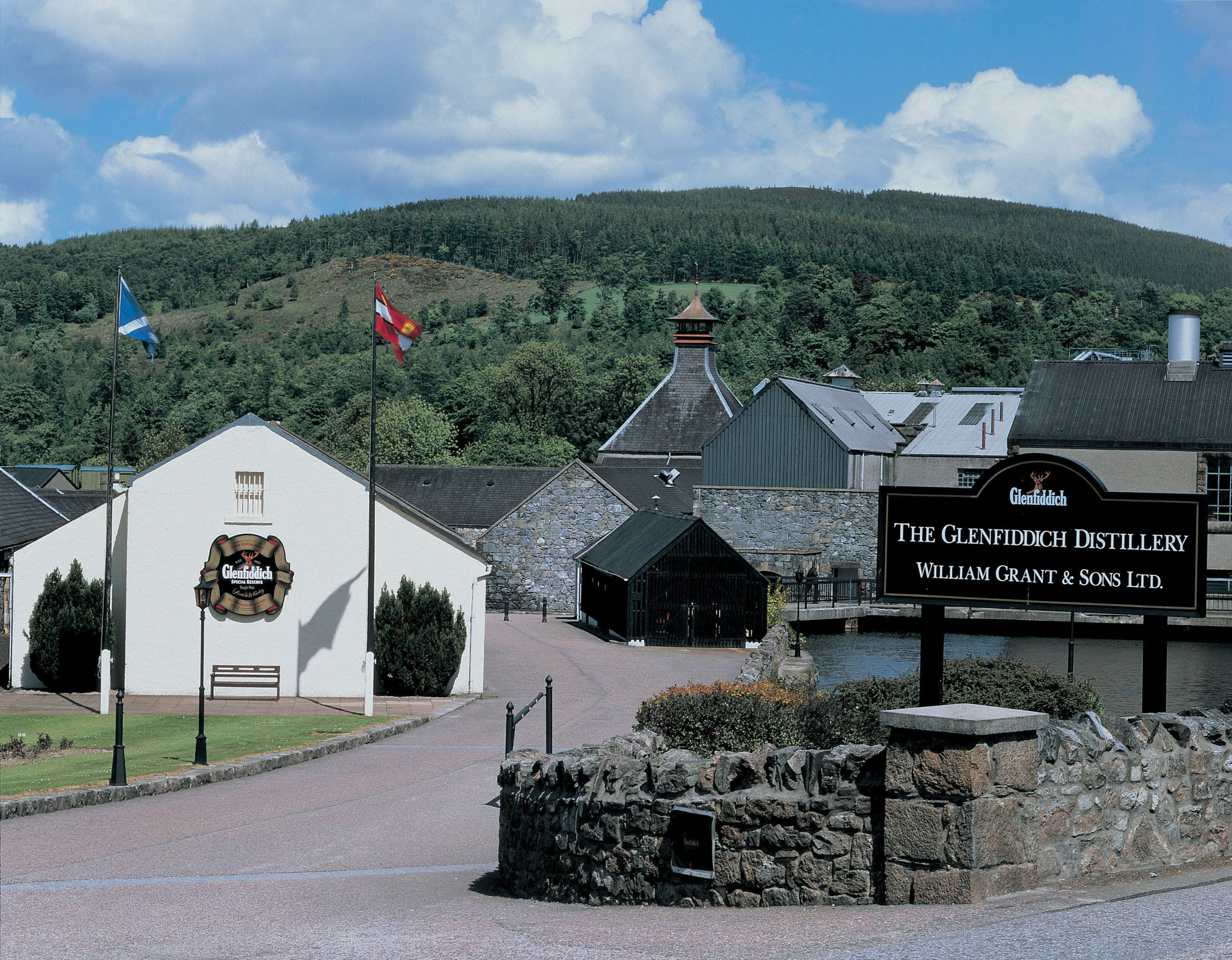
When spirit first ran in William Grant’s small stillhouse on Christmas Day 1887, he had no big investors to back him, just an unwavering belief in his abilities. Over the ensuing decades, his confidence was borne out as Grant’s malt whisky developed a formidable reputation among blenders. There are even bottles of Glenfiddich Straight Malt dating to the 1960s, a time when blended whisky was near synonymous with Scotch whisky as a whole and the term single malt had yet to be popularised.
Glenfiddich occupies an expansive site that it shares with its sister distilleries, Kininvie and Balvenie. It operates two stillhouses with a staggering 14 wash stills and 28 spirit stills. This makes it roughly tied with Glenlivet for the title of largest malt distillery in the world.
Roseisle
Est. 2009
The face of the modern Scotch whisky industry, this gleaming modern site near the shores of the Moray Firth can produce more than 12 million litres of pure alcohol each year. While this isn’t quite the level of output possible at such giants as Glenfiddich or The Glenlivet, Roseisle wasn’t just meant to be big, it was meant to be versatile.
A handful of official bottlings to date, most notably those launched under the Diageo Special Releases banner, suggest a summery spirit being made at Roseisle with notes of stone fruit, anise and freshly baked bread. However, it may not be so easy to identify a single distillery character from this relative newcomer, as its stillhouse can be configured to produce various styles of whisky. This allows owner Diageo to create key components for its portfolio of blended whiskies under one roof and free up stocks from its big-name distilleries to be bottled as single malt. Truly, a distillery for the 21st century.
The Macallan
Est. 1824
You can’t talk about Speyside without mentioning The Macallan. What began with a small distillery on the grounds of Easter Elchies house has since become a global icon. The modern incarnation of this monumental producer is a strikingly modern plant with a distinctive grass-covered wooden structure. This is another brand that embodies the popular image of the rich, sherried Speyside single malt. The Macallan was one of the few producers to double down on malt whisky during the difficult 1980s, which saw it emerge as arguably the first luxury single malt brand. Over the years, it has been referred to as ‘the Cognac of whisky’ and ‘the Rolls Royce of whisky’, signalling something of a departure from the mainstream of Scottish distilling and into the realm of international luxury goods.
The annual release Macallan 18 Year Old Sherry Oak offers a great example of the distillery character, poised and elegant with an oily texture and notes of dark chocolate, sticky raisins, nuts and tobacco. The distillery also produces numerous limited-edition expressions each year, some aimed exclusively at devoted fan bases in Asia and North America. The distillery has grabbed headlines in recent years for bottling record-breaking single malts with unheard-of age statements, including The Macallan Reach 81 Year Old and The Macallan 78 Year Old Red Collection.


