


 United States — would you like to set this as your default country of delivery?


 Trade
Trade  Shops & Events
  Customer Service
 A Definitive Guide to Single Malt Scotch Whisky
Discover the world of single malt, the most prestigious style of whisky in the world, refined for centuries from Scotland to Japan, the USA and more

kojin_nikon - stock.adobe.com
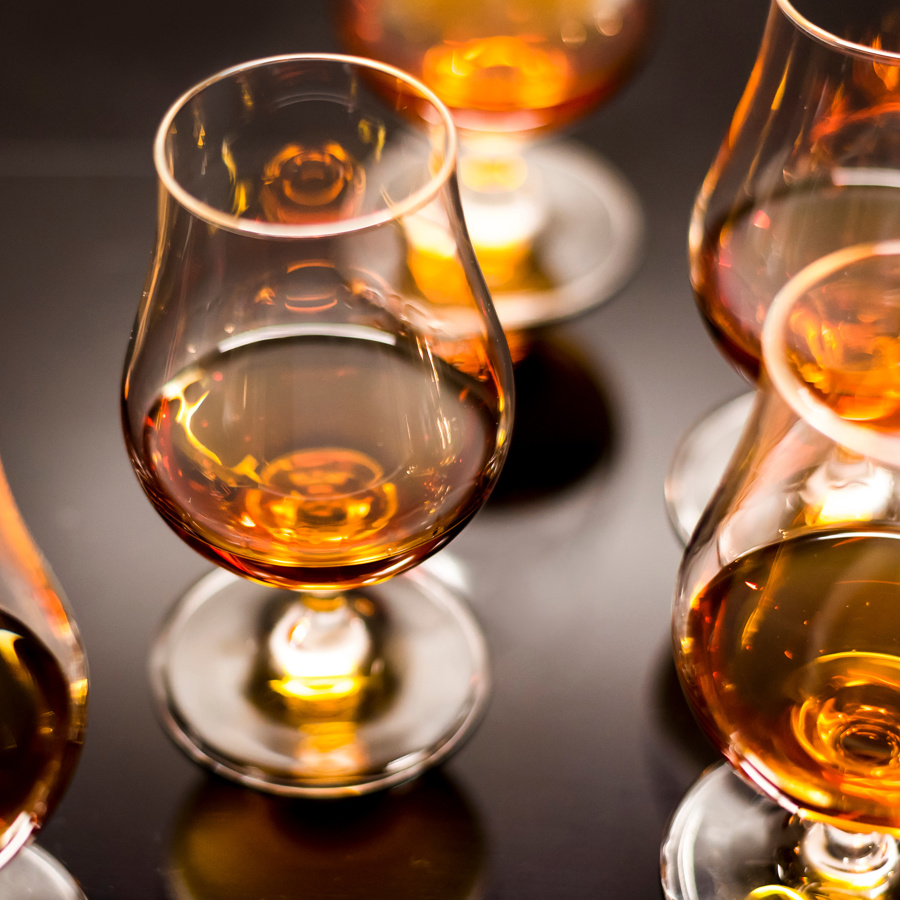
Arguably the most prestigious style of whisky, malt whisky must be made only from fermented barley malt distilled using copper pot stills. To be called a single malt, it must also originate at just one distillery. The rise of single malt has seen distilleries around the world become household names, such as Glenfiddich and the Macallan in Scotland and Yamazaki in Japan.
The history of malt whisky
Throughout history, human beings have tended to make alcohol from whatever is available to them. In warmer climes this might mean fermenting grapes or sugarcane, but in Europe people have long since used grain. There’s evidence of tilled fields and brewing in Ireland and the Scottish islands going back at least 5,000 years. While early fermented drinks in this part of the world were made with a variety of cereals, malt quickly distinguished itself as the grain of choice. Malt lacks the proteins to make good risen bread, it might make a sort of porridge in a pinch, but it is ideal for brewing.
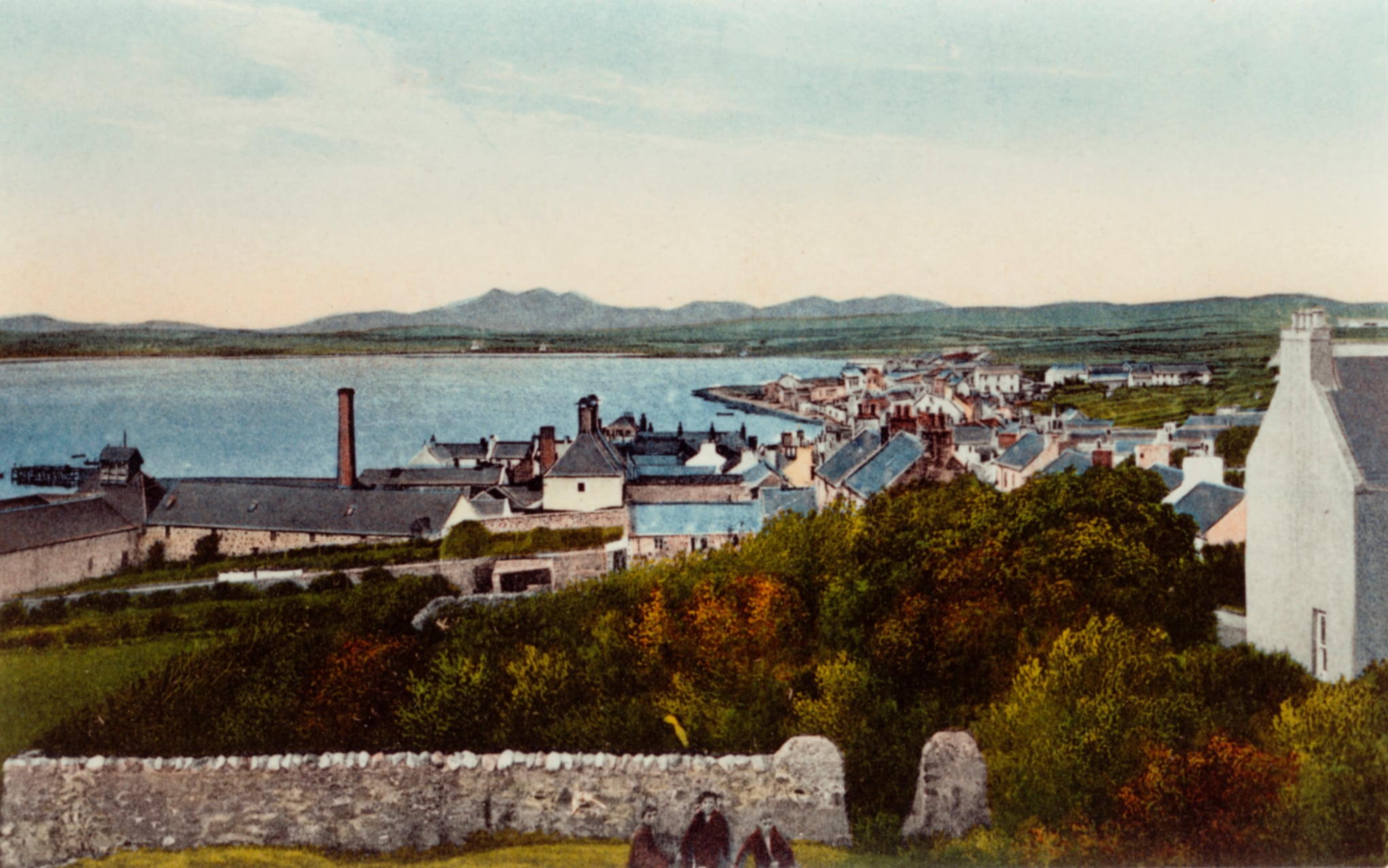
In the 12th century, when knowledge of distilling arrived in Ireland via a network of holy orders that spanned medieval Europe, the first grain spirits emerged soon after. It would be several hundred years before the advent of the modern whisky industry, first in Ireland and then in Scotland. But by the time the first true commercial distilleries were registered in Dublin and Cork, the role of malt in making good spirit was well understood. Mixed mashes of grain continued to be used in Ireland and Scotland – most notably leading to the divergent evolution of Irish pot still whiskey in the 18th century – but by the time Scots distilling was legitimised under the excise act of 1823, malt whisky was the dominant form. It would be almost a century before the style was defined in law, but the notion of single malt was slowly taking shape.
How is malt whisky made?
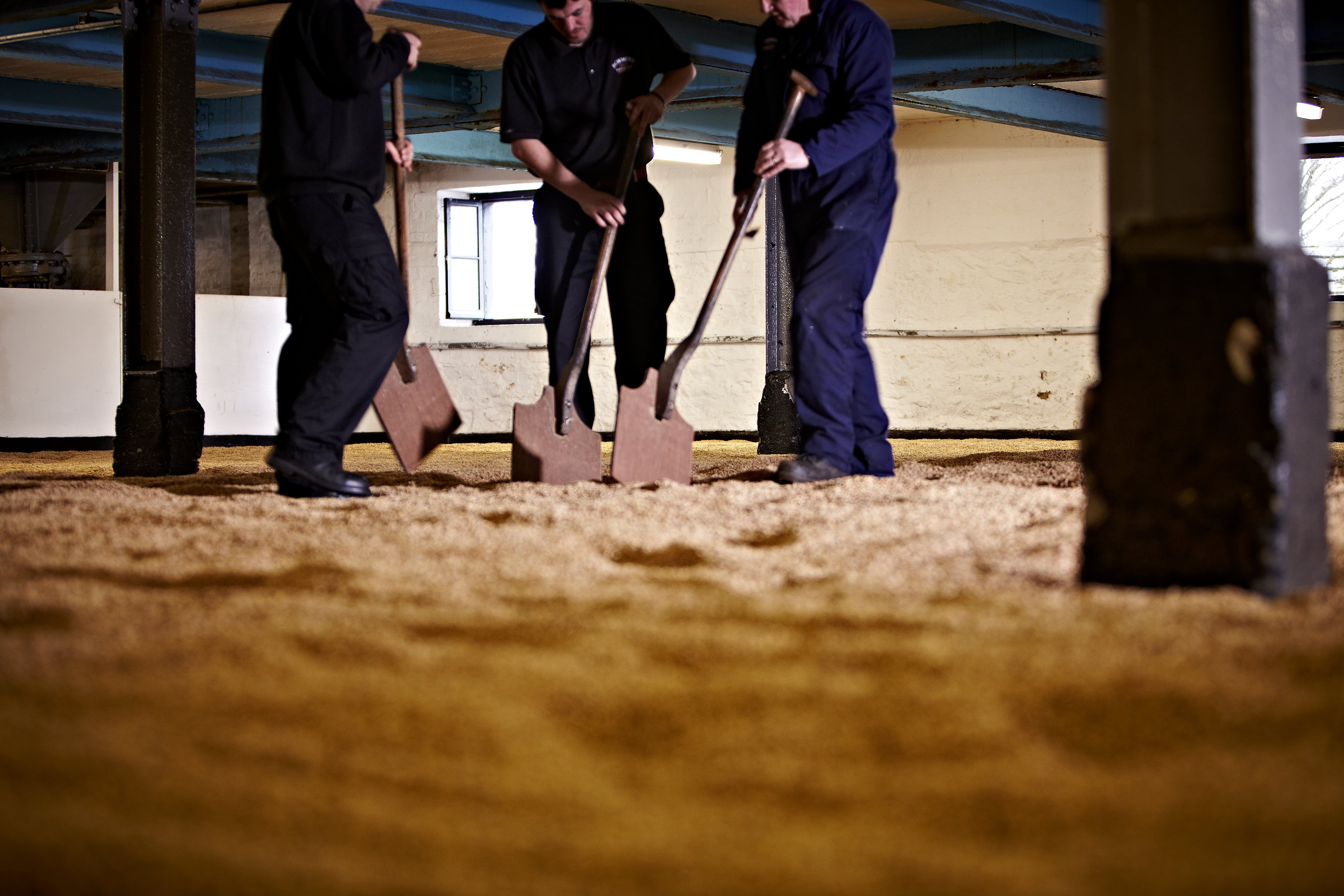
At every stage in production, distillers make decisions that shape their malt whisky. There’s the variety of barley to consider, then the conditions under which it’s malted – a process by which the grain is soaked and warmed until the starches within it are converted into fermentable sugars. The way the barley is dried (with hot air or, more traditionally, by burning peat), milled and fermented must also be considered. The strain of yeast used and the length of fermentation can make the difference between a spirit that’s nutty and spicy and one that’s fruity and delicate.
Once we have a wash of fermented barley (beer, essentially) it is twice distilled to produce clear, aromatic new make spirit. The shape and size of the still, as well as choices made during distillation, can capture and concentrate certain flavours better. Each of these variables will shape the character of spirit. By fine tuning every part of the process to suit their needs, producers are able to create a distinct style and flavour profile – what’s known in the world of whisky as ‘distillery character’.
Next, the spirit is filled into oak casks for ageing. In Scotland, this will usually be an American oak barrel previously used to mature bourbon, although sherry, port and various other wine and spirit casks are used as well. Around the world, regulations can be less strict, allowing for malt whisky to be matured in a wider range of casks including those made from wood other than oak. A cask’s size, composition and previous contents will greatly influence a spirit’s colour and flavour as it slowly becomes mature whisky.
In Scotland and most other whisky-producing countries, after three years in cask, the spirit can be legally considered malt whisky. Unless it is specifically marketed as a being from a single cask, single malt whisky will generally comprise multiple casks from a distillery’s warehouses, carefully vatted together to achieve a particular style or flavour profile. Some producers will also ‘finish’ their whisky in one or more different casks after its initial maturation to add more layers of flavour. But the choices available when making single malt don’t end there: before bottling, producers will decide whether to introduce water to their whisky to adjust the ABV. They can also add caramel colouring for aesthetics or consistency, if desired. Single malt may also be chill-filtered, a common method of removing fatty acids and oily compounds that can form a hazy appearance in the finished product.
Each of these decisions contributes to the experience you’ll have drinking a particular single malt whisky. The process is so complex and contains so much room for variation, that malt whisky can taste like almost anything, from tropical fruits and vanilla to smoke meats and beach bonfires. With this great variety, it’s no wonder that single malt resonates with so many of us around the world. But what may be surprising, is that it took centuries of distilling for the concept of single malt to be properly defined.
Single malt whisky in Scotland
In the 19th century, Scotch whisky distilleries were supplying casks to hotels, clubs and private residences – early instances of malt whisky from a single distillery – but the majority of their business was with grocers, vintners and tea merchants. These traders became the first blenders, buying and brokering casks that they could vat together to create a consistent, quality product. Mr Haig, Mr Walker, Mr Dewar and others whose names are still famous today rose to prominence thereafter. The arrival of the column still, and with it cheap grain whiskies, allowed for the creation of modern blends that turned Scotch into a true international commodity.
The term ‘single malt’ wasn’t used at this time. Pure malt, straight malt or ‘self whiskies’ were bottled in the late 19th and early 20th century, but it was blends that built the modern industry. Some ancient bottles with distillery names such as Ben Nevis, Glenlivet and Glen Grant on the labels survive to this day but they are few. British firms like Cadenhead’s, Berry Bros. & Rudd and Gordon & MacPhail, bottled what we would now call single malts as early as the 1930s. Italian importers like Edward Giaccone and Silvano Samaroli also released groundbreaking whiskies from the 1970s onward that proudly bore now-famous distillery names like Clynelish, Ardbeg and Macallan.
Though they were extremely niche, these bottlings promoted the idea that whisky from one single distillery could have a flavour and style specific to one origin. Here we find one of the great and enduring appeals of single malt whisky, the promise of distillery character.
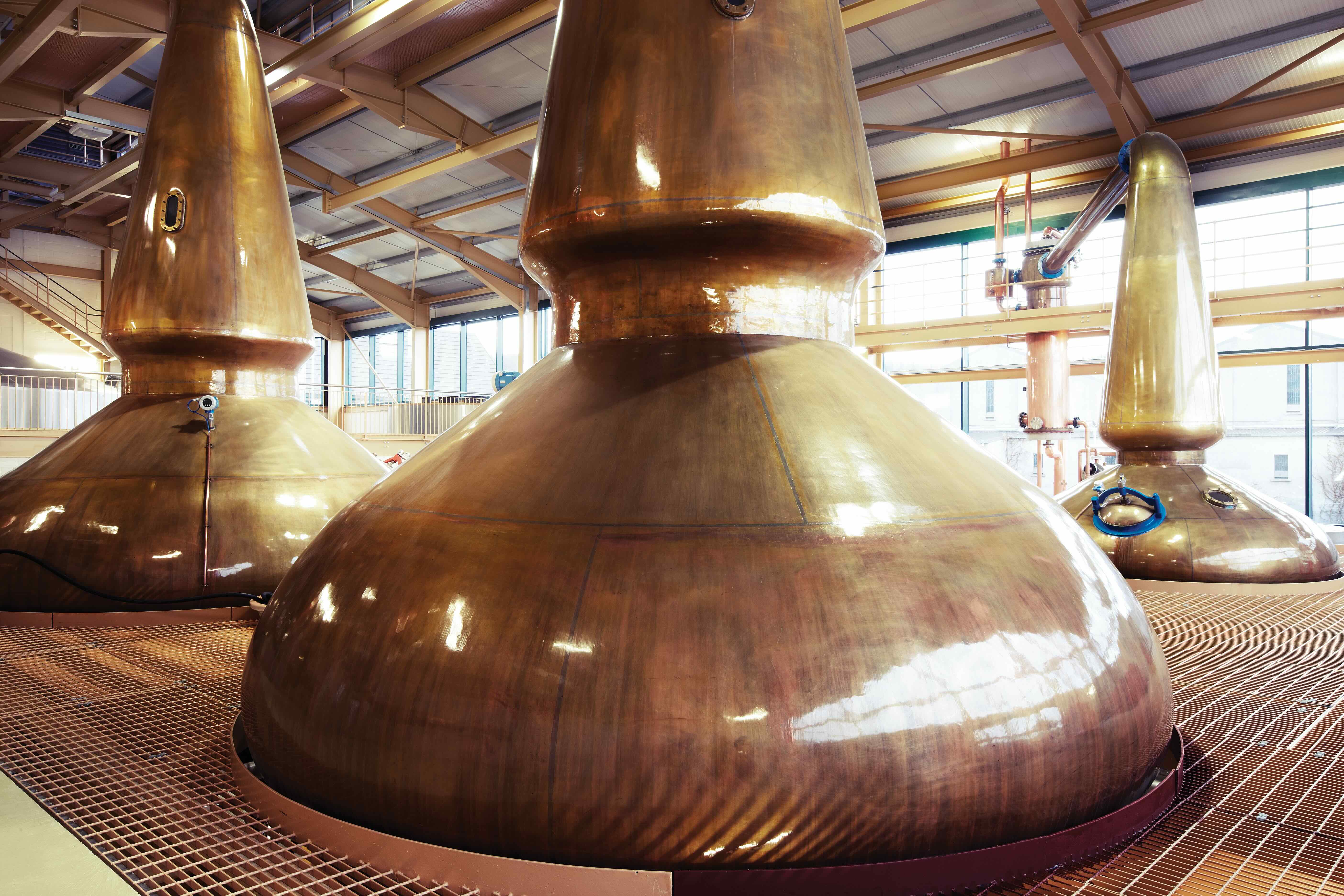
Lagavulin and Glenfarclas are two of the world’s great distilleries, each producing a specific and recognisable style of spirit. But there’s a reason you can’t make Lagavulin at Glenfarclas or vice versa. Everything from the way malt is milled and fermented to the shape of the stills, the configuration of the condensers and the prevailing climate around the distillery shapes the whisky they produce. Put another way, Lagavulin can only come from Lagavulin. Blends may deliver scale and consistency, but single malts at their best offer something that’s one of a kind.
The 1980s brought disaster for the Scotch whisky industry as oversupply met lack of global demand and distilleries were shuttered up and down the country. Livelihoods were lost and valuable old casks of malt whisky disappeared in the anonymity of the blender’s vat. It wasn’t until the market picked up towards the end of the 20th century that the concept of single malt began to resonate with the public. The idea of single malts as collector’s items and even investment pieces started to build as distillery owners looked for new ways to market old stocks from the golden age of whisky production in the 1960s and 70s. The now legendary Black Bowmore, arguably one of the first collectable single malts, debuted in 1993 with a price tag around £100 a bottle. The names of distilleries became more prominent in advertising and the industry promoted single malts as a cut above your average whisky. More than a century since the dawn of the modern Scotch whisky industry, single malt was about to have its day.
Though exports of single malt Scotch are still relatively small in volume as compared to blends, they accounted for some 32% of the total export value in 2023 – about £1,986m. Surprisingly enough it wasn’t until 2009 that the definition of single malt whisky was written into British law, while the Republic of Ireland issued a similar definition in 2014. It may not be the biggest spirit in the world in scale, but there are few spirits on the level of single malt in terms of prestige and reputation.
As the style is now produced on every continent except Antarctica (for now) there are differences in production depending on where you go, but the central principals of pot distilled malt spirit from a single source, aged in oak, are common everywhere.
Single malt whisky around the world
By the 1990s, malt whisky was no longer the preserve of distillers in the traditional heartlands of Scotland and Ireland. The Japanese whisky industry had been slowly building up since the 1920s, as had a small number of producers in Australia and New Zealand. The industry in Japan was modelled on Scotland in the early 20th century and as such had always aspired to produce blends. Some bottlings of single malt from key distilleries like Yamazaki and Yoichi – and even a few from the now-mythic Karuizawa – were produced before the turn of the millennium, but as Scottish producers successfully elevated the idea of single malt, they began to be exported in volume.
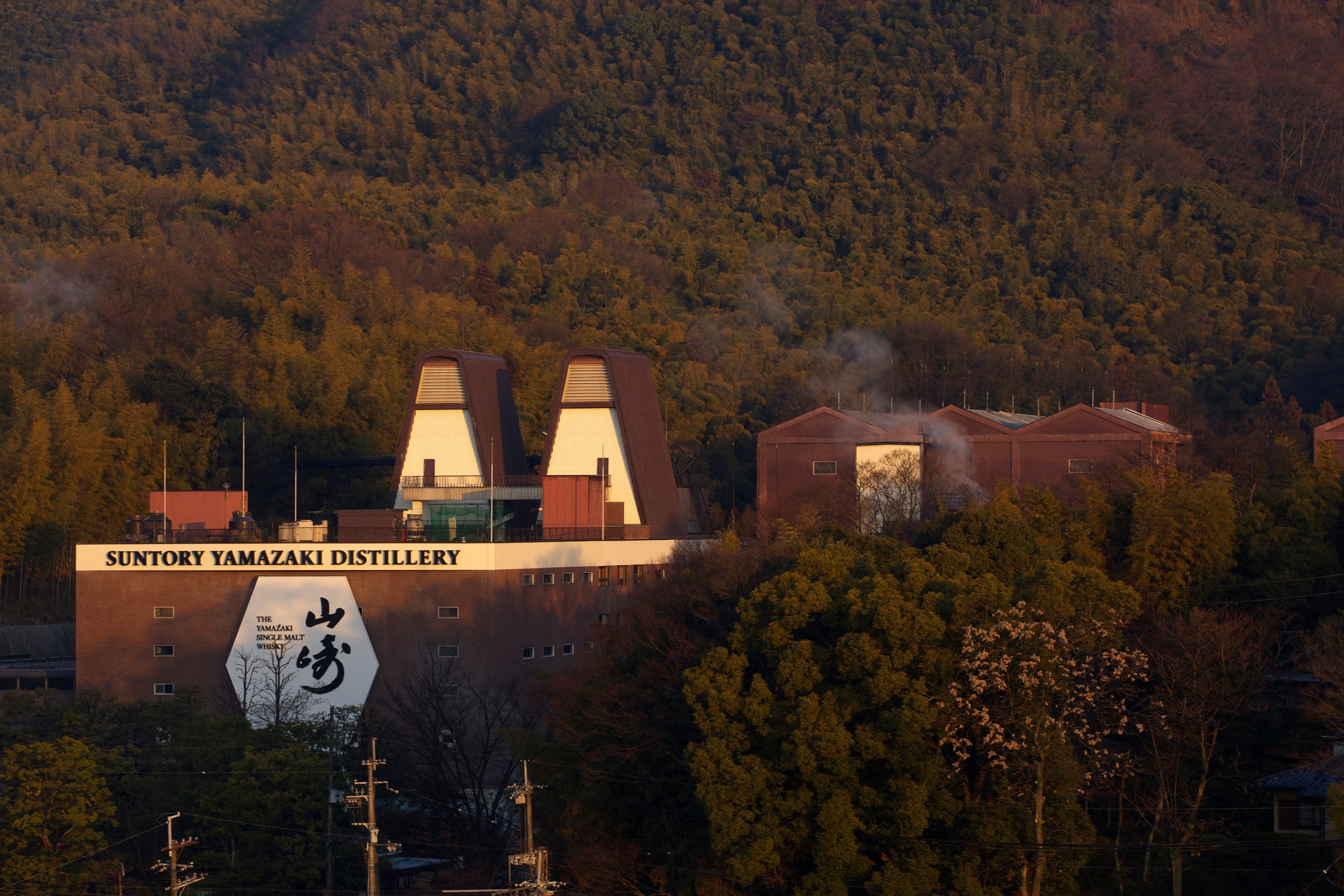
The ensuing vogue for Japanese whisky of all kinds, especially single malts from market leader Suntory, was in part responsible for distillers across the globe turning their hands to malt whisky. The Nordic countries, North America, France, Germany, Taiwan and many others began producing their own interpretations of what was increasingly seen as the pinnacle of whisky. While Scotland has the heritage and the wide range of distilleries, the 21st century is proving that with the right equipment and the right people you can make single malt anywhere. Which just means more styles, more flavours and more whisky – excellent news for us all.