


 United States — would you like to set this as your default country of delivery?


 Trade
Trade
 Shops & Events
 Customer Service
Japanese Whisky Guide: History, Top Brands, and Styles
Japan has been a hotbed of whisky production for more than a century, but has only more recently broken out into the rest of the world. Now the home of some of the most sought-after names in whisky, it has a long and complex history and a rapidly expanding modern distilling industry

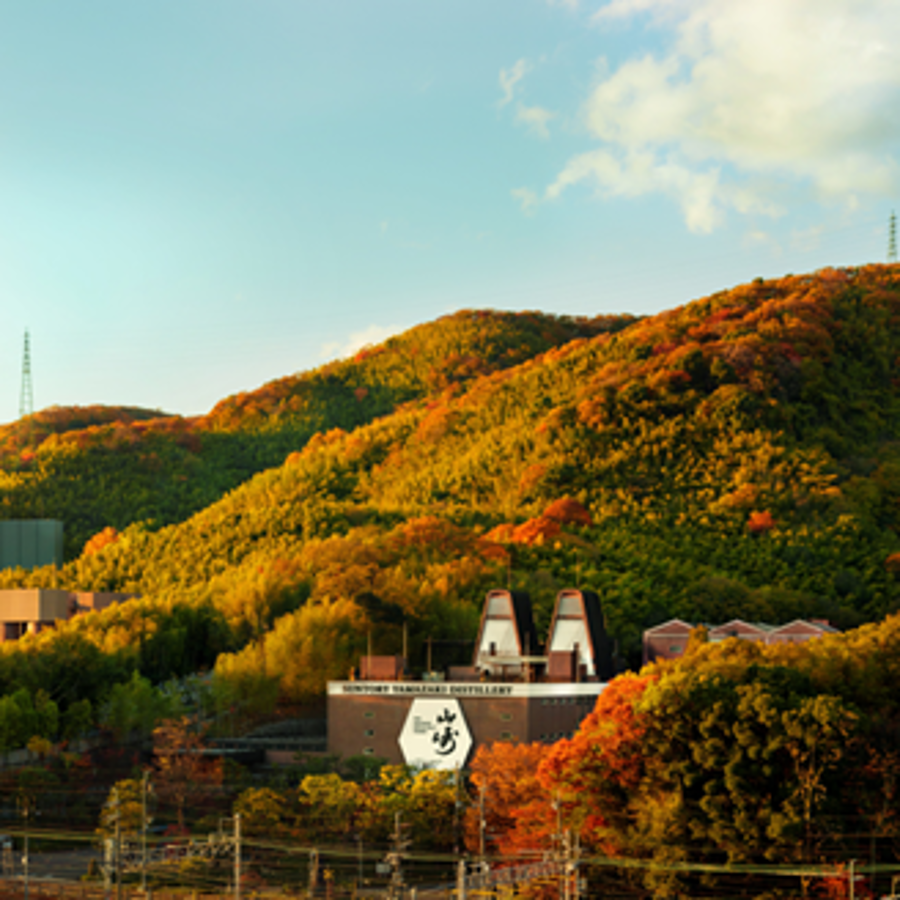
Founded in 1923, Suntory’s Yamazaki is the oldest single malt distillery in Japan
Japanese whisky is much older than people often realise, with the first malt distillery producing spirit there in 1923. The past century has seen a small number of distilleries define a wide range of Japanese whisky styles, but since the early 2000s we have seen a rapid acceleration in both popularity and innovation. Where there once only a handful of producers, there are now more than 50, and Japanese whisky is branching out into a new era.
Simply put, Japanese whisky is very similar to Scotch whisky in its production. The most common type is made in a similar method to Scottish blended whisky, bringing together malt and grain whiskies of different styles to create an easy-drinking spirit.
While blended whisky still dominates the market, the 21st century has seen major developments across the industry, and Japanese malt whisky has started to grow in popularity, both at home and overseas. This is leading to big changes in both the whiskies on sale and how they are made, giving rise to a new wave of Japanese distilling.
The history of Japanese whisky
The early years of Japanese whisky are dominated by two men: Masataka Taketsuru and Shinjiro Torii. Taketsuru was famously sent to Scotland in 1918 to learn about whisky-making, studying in Glasgow and getting hands-on experience in Speyside and Campbeltown before returning to Japan with a head full of facts and a Scottish wife.
When he joined forces with Torii in about 1921, Taketsuru’s vision was to build a distillery on the northern island of Hokkaido – the part of the country he thought most mirrored Scotland’s climate and terrain. However, Torii feared this was too far from the main markets of central Honshu – Japan’s largest island – so he vetoed the idea and instead built Yamazaki on the outskirts of Kyoto in 1923.
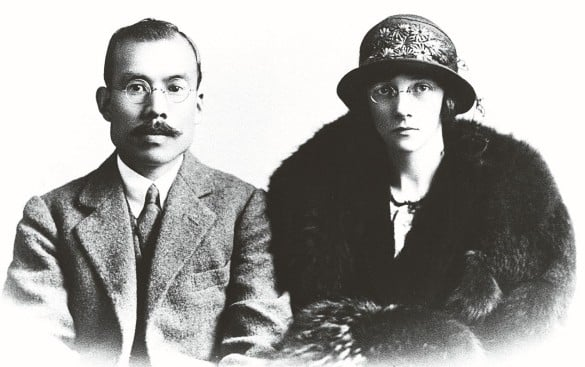
Taketsuru swallowed his reservations and worked as Yamazaki’s first distillery manager before leaving in 1933 to strike out on his own and finally realise his dream: the building of the Yoichi distillery on Hokkaido.
In the present day, the companies founded by Torii and Taketsuru – Suntory and Nikka respectively – still dominate the Japanese whisky industry.
Japanese whisky in the 20th century
Unlike the countries of the Old World, Japan’s whisky industry has grown with just a small number of distilleries. What’s more, tradition and their joint history has meant that Suntory and Nikka – as well as other older companies – don’t trade whisky with each other, instead opting to make all of the whiskies they need for their blends themselves.
What developed was a very different model of distillation: Suntory’s Yamazaki, for instance, produces a multiplicity of styles thanks to an eclectic collection of still shapes and sizes, the use of both peated and unpeated barley, different yeast strains, fermentations and cut points, as well as a large number of cask options including the distinctive mizunara: Japanese oak.
These chameleons of distillation follow a broadly similar philosophy: produce a wide range of whiskies to create a broad palette of flavours to draw from and then use them to create a range of often quite different whiskies.
Japan’s lost distilleries
Before the great Japanese whisky boom of the early-21st century, some distilleries were forced to close when demand fell in the domestic markets. Among these, a few have since been recognised as lost classics, their surviving whiskies becoming immensely sought after in the process.
Karuizawa
This now legendary distillery on the slopes of the volcanic Mount Asama produced heavyweight whiskies for blending, few of which were bottled as single malts prior to the site’s closure in 2000. After Karuizawa was demolished, the casks that remained were divided among a small number of bottlers that recognised them for their unique character and quality.
Many of these were ex-sherry casks that yielded dark, rich whiskies with a superbly complex profile. Series such as the Karuizawa Geishas from Elixir Distillers are renowned the world over and remain among the rarest and most expensive Japanese whiskies ever bottled.
Read more in our guide to Karuizawa here
Hanyu
Hanyu was founded in Saitama prefecture in 1941 by sake brewing scion Isouji Akuto. It began producing single malt whisky in 1980 and continued under the leadership of Isouji-san’s grandson Ichiro Akuto until economic downturn forced its closure in 2000. Having unwavering belief in the quality of Hanyu’s spirit, Ichiro purchased the remaining casks and bottled them, creating the now spectacularly valuable Ichiro’s Malt Cards Series.
As the Cards Series gained recognition internationally, Ichiro moved to establish his own distillery, Chichibu. Precious little stocks of Hanyu remain, which makes surviving bottlings exceedingly rare. In addition to his own Chichibu single malts, Ichiro produces blends and blended malts, some of which contain small quantities of Hanyu’s elegant, fruity whisky.
The new wave of Japanese whisky
The 21st century has seen growth across the Japanese whisky industry, in part thanks to the rising popularity of its whisky overseas. Once regarded as a novelty, the reputation of Japanese whisky has grown to the point of not being able to meet demand. This has led to whiskies disappearing from the market as stocks ran dry, new products being introduced to fill the gaps left, prices skyrocketing, new distilleries being built, and some whiskies hitting the market with less than certain provenance.
Focusing on the new distillers, there are now more than 50 whisky distilleries in Japan, with more appearing every year. Many of these have been opened by companies better known for distilling shochu and awamori, Japan’s native spirits, which has brought in more diversity to the whisky-making process, promising a wider range of styles in the future. These are some of the key players you’ll find on our shelves right now:
Chichibu
One of the key players in the Japanese whisky renaissance, Ichiro Akuto’s Chichibu distillery is famed for its exacting commitment to craft and quality. Chichibu’s limited-edition and single cask whiskies are always in extremely high demand. The yearly London Edition bottling, which traditionally debuts at Whisky Show is a particular fan favourite.
The Chichibu team produce un-peated spirit with a distinctive tropical fruit and aromatic spice character, as well as small quantities of peated whisky. Limited releases include unusual expressions matured in IPA and stout casks as well as some made with floor malted barley and others aged in hogsheads from the lost Hanyu distillery.
Read more in our guide to Chichibu here
Shizuoka
Completed in 2016, this picturesque distillery is notable for using a wash still rescued from the now demolished Karuizawa, and another unique wood-fired still. Owned by respected whisky importer Gaia Flow, Shizuoka gained immediate acclaim on its debut with impressive young whiskies that revealed a fine balance of grain, spice and citrus notes. To-date Shizuoka has released whiskies made with peated Scottish malt, German beer malt and – most interestingly – barley grown and malted in Japan.
Kanosuke
This venture from longstanding shochu producer Komaso Jyozo, which has been active in the south of Japan’s Kyushu Island since the 19th century. The driving force behind the company’s move into whisky making was Yoshitsugu Komasa who opened Kanosuke in 2017, naming the distillery after his grandfather. With an unusual combination of three stills and ready access to used shochu casks in which to age its whiskies, Kanosuke has already released a fascinating array of expressions. These range in style from the elegantly sherried to the lightly peated, as well as an unusual pot still whisky made with malted and un-malted barley using a stainless steel still.
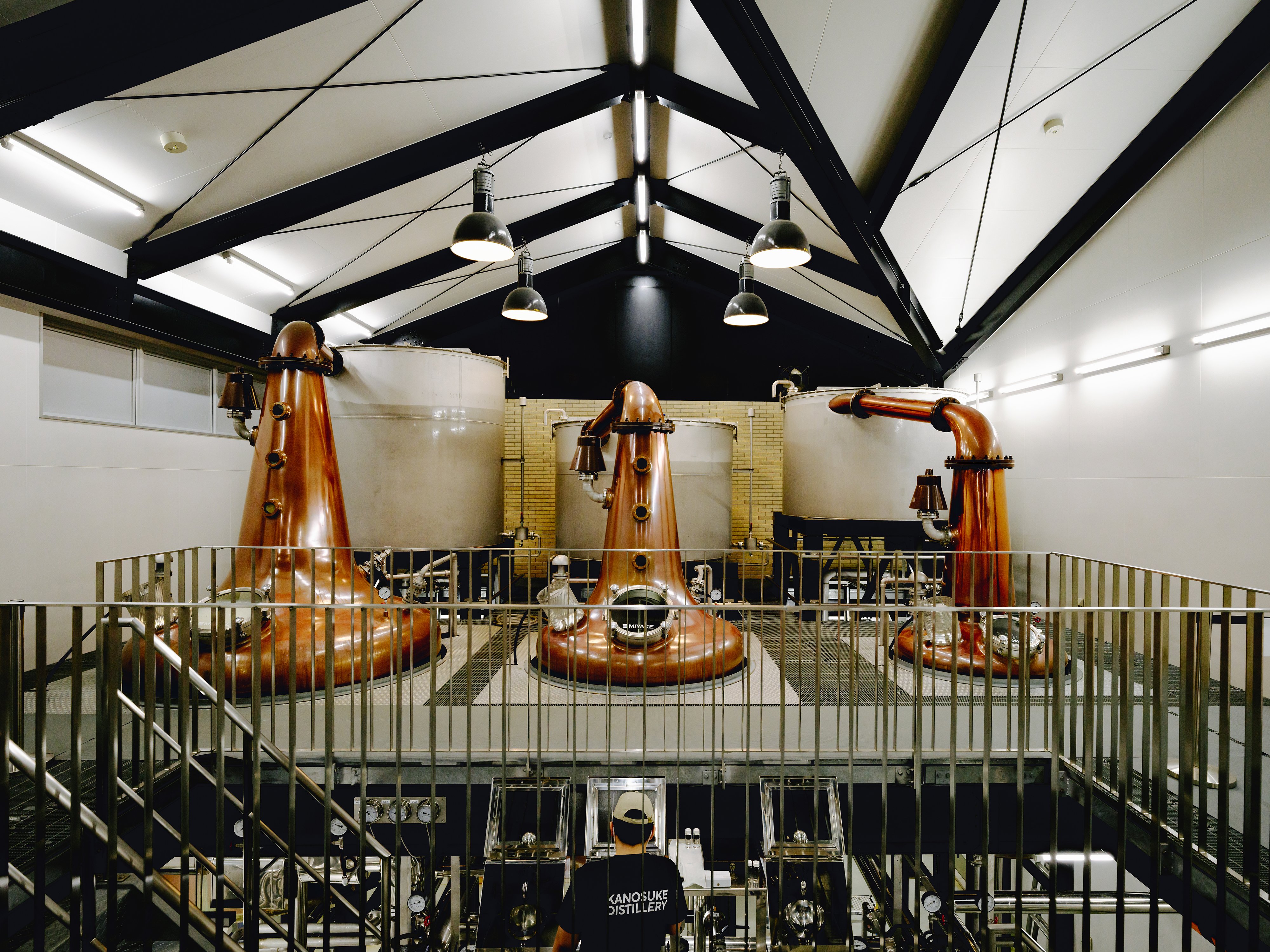
One of the most exciting things about the new wave of Japanese whisky is the variety of new styles arriving on our shelves, a sign that this growing scene will continue to innovate, rather than resting on its existing reputation.
New Japanese whisky rules
In 2023, the Japan Spirits and Liqueurs Makers Association (JSLMA) created a set of rules for its members to clarify the definition of Japanese whisky. In simple terms, to be called ‘Japanese Whisky’:
- The spirit must be made in Japan
- The spirit must be aged in Japan for at least 3 years
- The whisky must be bottled in Japan
The new prospective regulations were brought in because of a rise in whiskies of uncertain origin coming from Japan: blended and blended malt whiskies from companies without their own distilleries, as well as some from producers who have not been making whisky for long enough to have mature spirit.
This harked back to the traditions of Japanese whisky blending over the years – the focus on a whisky being Japanese was down to where it was blended rather than where it was distilled. This led to whisky being imported from overseas – especially from Scotland and Canada – blended in Japan, sometimes with locally produced spirit, and then sold as Japanese whisky.
With the rise of new distilleries and the popularity of Japanese whisky overseas, this practise started to be questioned – consumers in Europe are used to Scotch whisky being all made in Scotland, all Irish whiskey being made in Ireland and so on. This is why the new regulations were brought in in 2024.
This only applies to JSLMA members and is not a law, so there may still be some doubt about the provenance of some whiskies going forward. However, the major producers in Japan are all members, so seeing Japanese Whisky on the label will be a strong indication of how and where it has been made.
The future of Japanese whisky
The future is looking very bright for Japanese whisky. With new distilleries regularly appearing and the older new-wave distillers starting to release whisky, the choice for fans is increasing all the time. The JSLMA rules are removing some of the concerns about what we might be drinking and the quality of the whisky is increasing all the time, from the biggest producers to the smallest boutique distillers. The second rise of Japanese whisky looks to be on its way.


